

What Is Gross Annual Income? And How To Calculate It
 By
By
Gross annual income is the total money you earn in a year before any taxes or deductions. It is a key figure in financial statements. Lenders, landlords and employers often request gross annual income to judge an applicant's ability to pay. Budget, tax plan, savings goals, and other financial data also depend on it. You can use a check stub template to organize your income details and verify your gross and net earnings with clarity.
In this article, we'll explore what gross annual income means and examine its importance. You'll also understand how to calculate it and differentiate it from net annual income.
- What Is Annual Income?
- What Is Gross Annual Income?
- What Is Covered in Annual Gross Income?
- How To Differentiate Annual Gross Income and Annual Net Income
- Can Adjusted Gross Income and Federal Taxes Affect Annual Salary?
- How To Calculate Annual Income
- How To Convert Pay Rates When Calculating Annual Income
- How To Use an Annual Income Calculator
- Helpful Tips To Calculate Your Annual Gross and Net Income
- In Summary
What Is Annual Income?
Annual income means the total amount of money you earn in one year. It includes wages, salary, tips, commissions, and any other earnings before deductions. Annual income is usually quoted as gross (before taxes); your net annual income is what remains after taxes and deductions.
What Is Gross Annual Income?
Gross annual income is the total amount you earn in one year before any taxes or deductions. It includes wages, salary, overtime pay, tips, commissions, regular bonuses, and other benefits. Gross annual income also includes interest income, rental payments, and additional income sources. You may also see it written as annual gross income or total annual gross income; both terms refer to the same figure.
For a salaried worker, the advertised annual salary is your gross annual income. If you have more than one job, you will need to add each job’s gross yearly income to get your total annual income. Your gross income also serves as a starting point for calculating adjusted gross income and taxable income.
Why Do You Need To Know Your Gross Annual Income?
Understanding what your gross annual income is and how it works is key to making key financial decisions. It makes it easier to calculate annual income for reporting, negotiation, and long-term planning.
-
Gross annual income shows your earning capacity in a pay period.
-
It's a key indicator used on loan and rental applications.
-
Lenders use it to check your debt-to-income ratio and ability to repay.
-
Landlords use it to screen applicants.
-
It matters for tax planning and for estimating annual net income or take-home pay after tax deductions.
-
Knowing your gross annual income also helps with financial planning. It aids budgeting and setting realistic financial goals.
-
You can use gross annual income to compare base pay. Then factor in benefits and likely taxes to see the true annual net income.
Calculating gross annual income for an application? Convert salary details into a professional stub you can download and use as proof of income using the 123 Paystub method.
What Is Covered in Annual Gross Income?
Once you have your annual gross income, you can calculate your annual net income. What you should first do is make a list of all deductions to be applied to your annual gross income. These are:
-
IRA contributions (retirement plan contributions)
-
Health insurance premiums
-
Court-ordered payments like child support.
-
Any additional tax deductions and other deductions like union dues.
How To Differentiate Annual Gross Income and Annual Net Income
Annual income refers to the money you get in a fiscal year. There are primarily two types of annual income. The one before deductions and the one after deductions. These are:
-
Annual gross income or gross annual income
-
Annual net income or net annual income.
Your total gross annual income equals wages, bonuses, and other payments before tax deductions. Annual net income is what you take home after taxes and deductions. It's also called net income or take-home pay.
A simple example: If your gross annual income is $50,000 and you pay 20% in taxes and deductions, your annual net income is about $40,000. That is your real spending power.
Can Adjusted Gross Income and Federal Taxes Affect Annual Salary?
Yes, it can. When you calculate your annual net income, you should take note of your Adjusted Gross Income (AGI). This is your total taxable income minus certain adjustments. It is very different from your net annual income, which is your take-home pay. In some cases, you will need your AGI to file federal and state tax returns.
To calculate your annual net income, use this:
annual net income = annual gross income − total deductions and taxes
How To Calculate Annual Income

To calculate annual income, multiply your hourly rate by the hours you work per week, then by 52 (hourly rate × hours per week × 52). If you are paid monthly, multiply your monthly pay by 12. The result is your gross annual income; subtract taxes and deductions to get your annual net income.
There are different formulas you can use to calculate annual income. It all depends on your pay period and income sources. We can generally divide the basic formulas to calculate annual income into five categories:
Salaried Employees
-
If you get a salary listed as an annual salary, that number is your gross annual income.
-
If you know your pay per paycheck across pay periods, you can multiply it by the pay periods per year.
For example: $2,500 per paycheck × 26 pay periods = annual gross income is $65,000.
Hourly Employees
For hourly workers whose pay rate depends on how many hours they work per week, a different formula applies. In calculating annual income as an hourly worker on paid time, use this formula:
For example:
Hourly wage = $18
Number of hours per week = 40
Hours worked per week per year = 52
Gross annual income = 18 × 40 × 52 = $37,440.
If the tax rate is 18%, the annual net income = $30,700.80.
Self-Employed Individuals and Freelancers
For self-employed individuals and freelancers, you do not earn the same amount as salaried or hourly workers. In some cases, it might be a fixed amount, an employment contract engagement, or a unique pay schedule.
Sum business receipts and other income. Subtract business expenses incurred to find net business income. That helps calculate both gross income and annual net income for tax rates and deductions.
For instance, Annual salary = $60,000 (gross annual income).
If taxes and deductions total 22%, annual net income = $60,000 × (1 − 0.22) = $46,800.
As a Business
For businesses, to get your annual net income, you'll add all income sources. Compute your tax liability in line with your specific tax bracket alongside all other deductions. Then subtract all business expenses. Your tax return and financial statements can show your annual net income. For businesses, proper tax planning is very important when calculating annual net income.
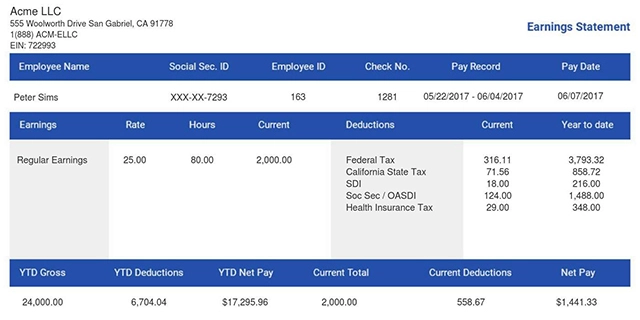
For a loan or lease, provide proof of yearly income that shows your gross and net income. You can use pay slips, bank statements, or the most recent pay stubs. These documents show your specific gross and net amounts. Documentation requirements can vary by lender or landlord, so check the specific checklist before applying.
Commission, Tips and Overtime
The hourly rate would vary for overtime pay when calculating annual income. This also applies to other income sources and additional compensation. When calculating annual net income, add average bonuses, overtime pay, other forms of payments and tips to the base sum.
For example:
Job A's annual gross income = $30,000
Job B = $12,000
Freelance = $8,000
Total annual gross income = $50,000. Subtract taxes and deductions to get net annual income.
How To Convert Pay Rates When Calculating Annual Income
When setting financial goals, accurate values are very important for efficient financial planning. Here are quick conversions on different pay rates to help you compute your annual income reliably.
-
Weekly pay: Multiply weekly pay by 52.
-
Biweekly (every two weeks): Multiply pay by 26.
-
Semimonthly (twice a month): Multiply pay by 24.
-
Monthly: Multiply monthly pay by 12.
If you earn overtime, add the average overtime pay to the base before computing the annual figures. If you have different pay rates for different periods, compute a weighted average.
Remember to check or create your pay stub. It shows gross pay and take-home pay per period. That helps you verify the total gross annual income reported. Keep records of your pay stubs, 1099s, and all deposits into your bank account to prove income.
You can also use an annual income calculator for a quick estimate. Note that some employers may have 27 biweekly pay periods in a year in rare calendar configurations; check your payroll schedule if precise annualization matters.
How To Use an Annual Income Calculator
An annual income calculator makes computing your gross pay, weekly income, gross monthly income, and net income easier. It can also be used to estimate your yearly salary when making a realistic budget. All you need to do is enter figures for:
-
Gross pay or yearly salary
-
Hourly wage
-
Total number of hours worked per week
-
Total number of hours per week per year
-
Number of pay periods (weekly, biweekly, semimonthly, monthly).
-
Estimated tax rate and other deductions.
If you have any existing debt or owe money, include the amount you owe as well as other expenses.
A good annual income calculator can also work backwards. You can input your desired net annual income and a tax rate to find the required gross yearly income or hourly rate. Use an annual income calculator when you compare job offers or for financial planning. It helps turn confusing pay schedules into a clear total annual income. It's also reliable in setting realistic financial goals and retirement planning.
Helpful Tips To Calculate Your Annual Gross and Net Income
Proper and accurate calculation of your gross and net income comes down to a combination of the right steps. Here are some helpful tips to guide you:
-
Use recent pay stubs to estimate annual salary and withholding.
-
For variable income, use the average past months to estimate gross annual income.
-
Keep records of all other income, like bonuses, tips, and interest income.
-
If self-employed, keep clean financial statements and expense records.
-
Use an annual income calculator to confirm all calculations.
-
For taxes, consult a tax advisor on adjusted gross income and tax deductions.
In Summary
Understanding how to calculate your annual income and the difference between gross and net income gives you a clearer view of your financial standing. By using an annual income calculator and knowing the right formulas, you can plan smarter. These figures can help in guiding budgeting, loan applications and tax planning.
If you need tidy proof of pay that shows your gross annual income, use our check stubs maker to create a pay stub now. A detailed pay stub shows all key details and helps you verify your actual income.
- 1. Enter Your Information

- 2. Select Your Favorite Theme

- 3. Download Your Stub!


 By
By