How Employers Correct a Pay Stub
 By
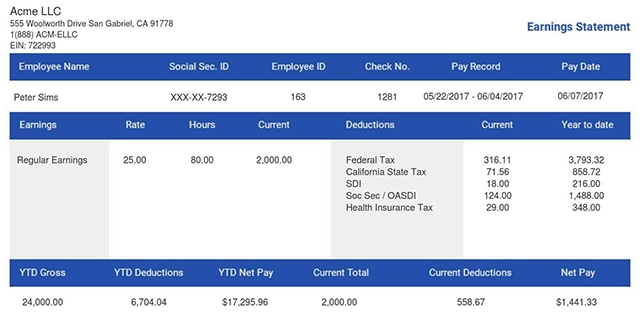
If you’re an employer, it is your responsibility to keep your employees’ pay stubs accurate. A wrong stub affects your tax reporting and your employee’s pay, benefits and loan or rental applications. Mistakes still happen. When one does, the rule is simple: correct the payroll record first, then give the employee a corrected pay stub that matches it.
Why a Pay Stub May Need Correcting
These are the most common reasons an employer corrects a pay stub:
Information Updates
Most often, it is due to changes within an employee’s information details. Employees are likely to update their information when they have a shift in status, such as a marriage, divorce or a change in residence. This ensures the right records are in the database to maintain proper filing of taxes.
Calculation Errors
Although many organizations provide integrated computerized options, calculations can be error-prone. Most of the time, such mistakes come about after employees check their earning statements. They may find out they did not receive what they should have.
Benefit Changes
Benefits are another common reason. This is when employees elect to change their healthcare plans, retirement, or any other premiums. It may also occur if there are changes in the company benefits. Many employees’ stubs then change at the same time to show the new deductions.
Compliance Requirements
Before you correct a pay stub, know the state and federal rules. What a pay stub must show depends on the state where your employees work, and some states also set rules on when and how a correction must be made.
Federal rules apply too. The FLSA covers overtime, the minimum wage and recordkeeping, so a correction must leave your payroll records complete and accurate.
Taxes are the other part. Correcting earnings or deductions can change tax withholding and year-to-date totals, so recalculate both under the current tax rules.
How To Correct a Pay Stub
Every change must match your payroll records. A pay stub is a copy of the payroll record, so the record is what you correct. Never change a finished pay stub by hand or in a PDF or image editor.
Confirm the Error
Gather the source records first: timesheets, pay rates, tax forms and benefit elections. Find exactly which figures are wrong and which other figures they affect.
Fix It in Your Payroll System
The software you use depends on your payroll system. In QuickBooks or another payroll system, make sure you have the right user rights, then open the pay period and enter the corrected figures there.
Recalculate Everything It Touches
One correction can change hours, gross pay, taxes, insurance, retirement and year-to-date totals. Check each one before you finish.
Review and Reissue
Compare the corrected figures with the source records once more. Then give the employee the corrected pay stub and pay any difference you owe, and keep the original stub on file.
Tools for Correcting a Pay Stub
Payroll software is the right place to correct pay. QuickBooks is a common choice, and like most payroll systems it keeps a history of every correction, so your records and calculations stay sound.
Many payroll services also let you manage pay through an app. That is handy, but limit who can make corrections from a phone and keep the same approval steps.
Best Practices and Quality Control

Reducing the chances of making mistakes needs efficient measures for controlling quality:
Standardized Procedures
This starts with systematically defining who is allowed to make changes and why and when they can do that. Make a chain of approval to ensure that every person who approves a certain change signs for it. This way, changes that were not supposed to be made or which were made are controlled.
Quality Control Measures
Documentation forms a central aspect of quality assurance. The changes should be recorded in detail. This includes details like the changes, the reason, who sanctioned them, the date, and which figures changed. It also creates an audit trail that is very helpful during internal or compliance audits.
Regular Training
It is important to keep payroll staff trained on how to correct pay stubs. This includes relevant tools, compliance issues and usual pitfalls to avoid. Often, employers who give their employees extra training end up cutting down on more mistakes in the long run.
Employee Communication
It is always important to inform your workers about changes in pay stub formats because this keeps the levels of trust high. When changes are required, employers should immediately inform the employees that change is about to occur. Where appropriate, they should explain the changes that they are about to implement. Such measures save a lot of time when deciding what the team has to do, and they also minimize conflicts.
Error Prevention Strategies
It is always better to avoid making mistakes wherever possible than to have them fixed. This starts with putting in place stringent verification processes before actual pay stubs are prepared. Performing payroll audits on a routine basis would assist in preventing a number of complications. While automation minimizes the probability of mistakes, it is advisable to test periodically. This confirms that the tools are processing data without errors. Review formulas, taxes and deduction parameters to determine if they are well-updated.
Technology Integration and Security
More employers are setting their sights on digital payroll services and want to manage payroll corrections online. However, such a transition is opening up new security issues. Two-factor authentication and safe access techniques can shield payroll information from third parties. This means that these protective measures should be updated regularly. This is because of changing technological and security needs. Put security measures for employees to avoid any situations of revealing information mistakenly. For example, staff who ask for payroll help on public forums should never share employee details there.
Building a Sustainable Process
Developing the best practices for pay stub management helps you keep your work accurate and effective for a long time. This includes reviewing how corrections are made. It also includes documentation to update the current processes. You also need an assessment of the process to identify areas of improvement.
Final Thoughts
Correcting pay stubs is part of running payroll. Keep up with state and federal rules, fix every error in the payroll record first, and keep a record of each correction. That way every pay stub your employees get matches what they were actually paid.
- 1. Enter Your Information

- 2. Select Your Favorite Theme

- 3. Download Your Stub!

 By