

Top 13 Effective Employee Engagement Strategies
 By
By
How often do you think about how engaged your employees are in today's workplace? You may not be able to tell, but it's a big deal! In today's economy, it is important for an employer to invest in their workforce and get employee engagement up.
Your best employees are the most engaged, productive, and loyal ones. In this article, we will provide you with strategies on how to improve employee engagement. You will learn how to increase productivity and retention rates in a company. Tools like a paystub generator can also support payroll transparency, which helps build trust and engagement.
We also explain how to use employee engagement surveys and pulse surveys to track weekly progress.
- What Does Employee Engagement Strategy Mean?
- Why Is Employee Engagement Important?
- Types of Employee Engagement
- How Do I Know Who’s Engaged?
- How Do Employee Engagement Strategies Help Company Values?
- How To Develop an Employee Engagement Strategy
- 13 Effective Employee Engagement Strategies
- How To Link Employee Engagement To Results
- Final thoughts
What Does Employee Engagement Strategy Mean?
Employee engagement strategies are methods used to increase employee engagement across the board. This is done in ways that will positively impact both employee morale and company culture, as well as productivity rates.
Employees work hard every day and contribute a great deal of value to an organization. An employee engagement strategy is a plan with clear steps to engage employees and measure success. A good employee engagement strategy includes:
-
Listening via employee engagement surveys and pulse surveys.
-
Actions to improve employee engagement based on feedback.
-
Ways to reward highly engaged employees and reduce disengaged employees.
-
Training for managers and tools that enable employees.
A practical employee engagement strategy is one that sets clear targets and ties them to business performance.
Why Is Employee Engagement Important?
Employee engagement shapes how people work every day, from their deliverables to their work attitude. When employee engagement is strong and effective, engaged employees are motivated to put in their best at work. Employee engagement is a key factor in job satisfaction, better service, and a more seamless work process.
Employee engagement strategies are non-negotiable for businesses in today's fast-paced world.
-
Leaders need employee engagement strategies to help them build a strong and reliable team.
-
Good employee engagement strategies are an effective way to boost employee morale.
-
They are also liable for growing business performance and reducing turnover.
-
When you engage employees, employee retention becomes one of the benefits you enjoy.
-
Many studies show that employee engagement is directly tied to profits.
A focus on employee engagement also helps to recruit and retain talent. When candidates look for a job, they mostly want a place with employee engagement. It communicates a healthy work culture and a good work environment.
For a senior leader, employee engagement can result in better business outcomes. When effectively done, you will also see increased customer satisfaction.
Types of Employee Engagement
When discussing employee engagement, here is something to keep in mind. The first thing is that it operates at three different levels. This means we have three types of employee engagement in the workplace.
These are:
-
Engaged
-
Not engaged
-
Actively disengaged.
According to the 2024 Gallup’s State of the Global Workplace report, 23% of the workforce is engaged, while 62% are not engaged and 15% are actively disengaged. Here’s what the types of employee engagement look like in the workplace:
Engaged
Ideally, you want all your employees to have this type of employee engagement. Engaged employees are happy with their job and their current duties. They are more than willing to take on responsibilities that might not be within their job description.
These employees are committed and loyal, and so are less likely to look for new work elsewhere. They usually excel within companies to become leaders.
Not Engaged
As you can see from the percentages from Gaullp’s report, most workers fall under the not engaged type of employee. This doesn’t mean that your employees aren’t happy or satisfied with their jobs.
It means they are not truly committed to your company and may have no interest in the company’s vision. These employees may not be ideal for your business, but they can be easily converted into engaged employees with the correct strategy.
Actively Disengaged
It’s unfortunate, but actively disengaged employees in the workplace do exist. These workers take the form of negative, unhappy, and toxic workers who tend to vocalize their thoughts to other workers.
Actively disengaged employees can easily spread negativity into the workplace. This creates a toxic environment, so you want to avoid these types of people.
How Do I Know Who’s Engaged?
As an employer, one of your responsibilities is to measure your employee engagement. If you don’t know what you’re looking for, it can be hard to pinpoint who’s engaged and who isn’t. Here are some things to look for when trying to spot engaged employees:
-
They will understand their job role thoroughly.
-
They will have great work quality.
-
They will have deep trust in the company and its management.
-
They jump at the chance to explore new duties and training.
-
They will know the ins and outs of the company values.
-
They receive recognition and praise for their work.
How Do Employee Engagement Strategies Help Company Values?

Now that we have established what employee management is and why it is important, it is time to explore how it helps. Effective employee engagement strategies play a huge role in a company's success.
However, you must note that the key to a successful employee engagement strategy lies in setting realistic goals. Here is what those goals should look like for you:
-
To increase employee engagement scores by a set percentage.
-
To raise employee and job satisfaction.
-
To reduce actively disengaged headcount.
-
To boost employee retention and career development.
-
To strengthen company values and company culture.
Once you are able to set these goals and make them realistic for your company, you are on track for an effective employee engagement strategy. For measuring employee engagement, you can use engagement tools to track your results.
What Makes a Good Employee Engagement Design?
An effective employee engagement program must comprise three key parts:
-
Listening: Use custom-built surveys and employee feedback.
-
Actions: Adopt programs and manager coaching methods.
-
Measurement: Use KPIs that align with your goals alongside effective follow-up.
There are different employee engagement programs offered to employees at different levels. These include mentorship programs, career coaching, and recognition platforms. Make sure you choose one that aligns with your specific scale and business model.
How To Develop an Employee Engagement Strategy
When you want to engage employees, you need an effective strategy in place. Below is a practical employee engagement strategy you can adopt. This mirrors top practices but keeps things simple.
1. Start with listening
One of the best strategies of employee empowerment is to make employees feel seen. Active listening is one of the ways to build an emotional connection. By providing employees with a supportive work environment, you can improve employee experience.
One great way to adopt this is through employee engagement surveys. You can use pulse surveys to keep in touch.
-
First, develop and run a full employee engagement survey yearly.
-
Adopt short pulse surveys on a monthly or quarterly basis
-
Make sure the survey covers information on job satisfaction, work environment, and company culture.
-
You should also gather employee feedback on management and the work environment.
When done the right way, employee engagement surveys give clear priorities. Then you can improve employee engagement on all fronts.
2. Turn employee feedback into action
The next step after collating feedback is to turn it into effective engagement strategies. When employees learn that their feedback is valued, it opens the door for effective employee engagement. At the start, you might need to combine a couple of engagement strategies, especially if you have new employees.
Simply pick one that matches your business model. Employee recognition is very important alongside career and manager training. Here is how to structure this into improving employee engagement:
-
Start by building a simple employee recognition program.
-
Create clear career paths and career development steps.
-
Train managers to give honest feedback, respond positively, and involve employees.
These steps are part of many effective employee engagement strategies. They show that you care about their personal lives and career growth.
3. Measure and repeat
The third phase is to track what works, rinse, and repeat. Find out which of the strategies is effective in improving employee engagement.
You can try using the same questions in your employee engagement surveys and pulse surveys over time. This can help with measuring employee engagement, tracking changes, and improving strategies.
-
Start by tracking the engagement surveys' results.
-
Hold managers responsible for keeping up the established structure
-
Watch employee retention and business outcomes.
-
Track engaged employees vs disengaged employees and actively disengaged numbers.
In this phase, you may need to seek support from business leaders for better internal mobility. By measuring engagement, you can make the plan real and help senior leaders see ROI.
13 Effective Employee Engagement Strategies
Now you might be thinking, "Where do I start, and which strategy is best?" Here are the top-most effective global employee engagement strategies you need:
1. Prioritize Transparent Communication
Effective communication is key in an employee engagement strategy. Create open forums to enable employees to become actively engaged. It can build trust, even with new employees in a workplace.
Engaged teams are more comfortable with bringing up innovative ideas, sharing wins and setbacks. This can lead to increased job satisfaction and employee engagement. For this strategy, you will need to track how employees feel about leadership transparency.
You can also introduce payroll clarity using the 123 Paystub method to help employees easily understand and trust how their earnings are calculated.
2. Create a Simple Employee Recognition System
Everyone loves a little recognition when they go the extra mile. The same applies to employees in an organization. A recognition note, a public shout-out, or small rewards go a long way to show appreciation.
Can you pay employees cash as a reward? Yes, you can as long as it is properly structured and documented. Effective employee recognition ties positive actions to company values. This can help boost morale when engaged employees feel seen and appreciated. You can track recognition moments using employee engagement surveys. Bonuses and recognition payments can be easily tracked and recorded using a check stub template.
3. Provide Clear Career Paths and Career Development
No one wants to stay stuck in the same spot without growth opportunities for too long, and that is where career growth comes in. Offering training, mentoring, and development opportunities can keep employees engaged. It can also promote internal mobility when career paths and growth opportunities are available.
With growth opportunities, employees are motivated to do even more, which aids employee retention. You can track this using internal moves, promotion rates, and scores on career development questions. As the industry changes and evolves, more employees need visible routes to grow. That is why career paths matter.
-
Map out career paths by level and role.
-
Offer mentorship programs.
-
Give micro-learning and stretch assignments.
4. Support Work-Life Balance With Policies
Offer flexible time and clear boundaries. This can promote healthy work-life balance and flexible schedules. When life and work align, stress levels decrease and job satisfaction rises, and this helps an engaged workforce thrive. You can measure it using PTO, burnout indicators, and pulse surveys.
5. Invest in Management Practices and Train Managers
Managers make the day-to-day difference, and you need to train them to coach and to give honest feedback. Good managers support their teams, hold them accountable, and push growth.
They help engaged teams to form. A great way to measure this is with manager ratings, retention on teams, and engagement survey results.
6. Run Frequent Pulse Surveys and Act Fast
Always run consistent, short pulse surveys that are quick and targeted to keep leaders informed. With fast feedback, you can prevent problems and gain development opportunities from the feedback. You can measure engagement by tracking relevant metrics.
7. Promote Employee Autonomy
Let teams make choices in how they work. Encourage ownership. Trust and flexibility can help engaged employees perform better.
Measure it using project completion, satisfaction with autonomy, and employee engagement surveys.
8. Build Psychological Safety
Make it safe to speak up and ensure that leaders listen and are fair. When people feel safe, they take smart risks and share ideas. This builds a highly engaged workforce. Use survey tools and engagement to track safety and inclusion.
9. Offer Meaningful Benefits: Mental Health and Well-Being
Provide access to mental health resources and financial support options. You can give employees floating holidays as a reward for hitting a milestone. Caring about full wellbeing reduces stress and increases employee satisfaction. It can be measured by monitoring the usage of services and well-being responses on surveys.
10. Foster Knowledge Sharing and Cross-Team Work
Create spaces for teams to share work and learn from one another. Sharing knowledge builds skills and bonds. It improves employee experience and business outcomes. Track it using the number of cross-team projects and staff ratings on learning.
11. Invest in Programs That Boost Engagement
Below are ready programs to adopt:
-
Mentorship programs for skill growth.
-
Short learning stipends for professional development.
-
Quarterly team building events that are low-cost and high-impact.
-
A clear employee recognition hub that logs praise.
-
Regular pulse surveys to stay current.
Each program should have simple measures. Track usage and effect.
12. Adopt Engagement Strategies for Remote and Hybrid Teams
Remote work needs extra care. For remote employees, do these:
-
Use regular video check-ins.
-
Run virtual team building events.
-
Send small care packages or reimburse home-office costs.
Remote teams can be highly engaged workplaces when leaders keep routines and personal contact.
13. Work on Actively Disengaged Employees
Not everyone will be engaged. Some are actively disengaged. These people can harm morale. Use these steps:
-
Identify them with engagement surveys and manager checks.
-
Run stay interviews and coaching.
-
Use clear performance plans and offer support.
-
If needed, act with fairness and clarity.
The aim is to reduce the number of actively disengaged employees. That raises overall employee engagement.
How To Link Employee Engagement To Results
It is simple: employee engagement is important because it affects profits and service. When employee engagement improves, you may see:
-
Better business performance.
-
Higher customer satisfaction.
-
More engaged employees delivering outstanding performance.
-
Lower costs for hiring and training new staff.
Employee engagement is not just HR talk. It is a tool for stable growth.
Final thoughts
Employee engagement strategies are not one-off projects. They are ongoing, so you must keep listening, acting, and measuring. When you have an employee engagement strategy in place, it can help your workers to be more productive and satisfied with their jobs.
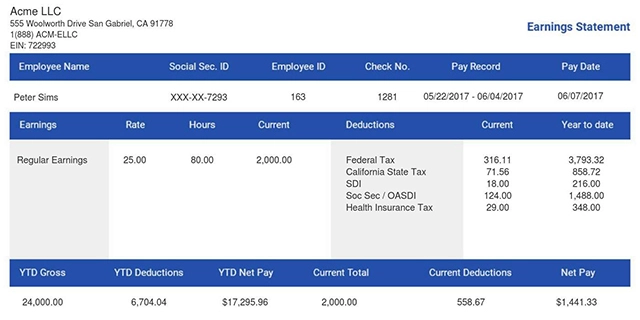
Even ensuring pay details are always accessible can help maintain trust and long-term engagement. If you haven't got the most efficient way to produce pay stubs for your employees, check out the pay stub maker today.
- 1. Enter Your Information

- 2. Select Your Favorite Theme

- 3. Download Your Stub!

 By
By