

1099 Pay Stub: Everything About US Self-Employed Pay Stub Requirements
 By
By
Of course, a lot of freedom comes with being self-employed. You get to choose your own projects, set your own rates, and even work at your convenience. But things can become a little tricky when it comes to finances.
One area many independent contractors overlook is creating proper and real pay stubs. Traditional employees get automatic pay stubs. However, self-employed people have to make their own.
Knowing the US self-employed pay stub requirements can help you create a professional 1099 pay stub. Everything you need to know about how to create a 1099 pay stub that meets professional pay stub requirements will be explained here.
- What Is a 1099 Pay Stub for an Independent Contractor?
- How Does a 1099 Pay Stub Serve as Proof of Income?
- Understanding Key Pay Stub Terms
- 1099 Pay Stubs vs. Payroll Stub
- Contractor Pay Stub vs Independent Contractor Payroll
- 1099 vs W-2: Worker Classification
- Managing Independent Contractor Payroll and Required Tax Forms
- Tax Withholdings and Social Security Responsibilities for the Self-Employed
- When Should Self-Employed Workers Create Pay Stubs?
- Recordkeeping Best Practices for 1099 Workers
- How To Generate Pay Stubs That Meet US Self-Employed Pay Stub Requirements
- 1099 Pay Stub Template & Example
- Final Thoughts
What Is a 1099 Pay Stub for an Independent Contractor?
Independent contractors, or 1099 workers, don’t receive pay stubs like regular employees. Since they're self-employed, they're responsible for managing their own payments and tax reporting.
However, many independent contractors still create or request a 1099 pay stub or an independent contractor pay stub. A proper pay stub helps track finances and prove income for rental or tax purposes.
There’s no legal template or federal standard for contractor pay stubs. However, they should clearly show income details to serve as reliable proof of earnings.
Pay stubs for independent contractors include gross pay, net pay, payment date, and project details. If you charge by the hour, include the total hours worked. If otherwise, note the project or invoice period. Taxes may be listed optionally for personal tracking, not as actual withholdings.
There are tools available to help if you don't want to stress about creating a 1099 pay stub correctly. Tools like a 1099 pay stub generator or check stub template can easily help you create professional stubs. The goal is to ensure that your earnings information is accurate and matches the information on your tax forms.
How Does a 1099 Pay Stub Serve as Proof of Income?
Most of the time, pay stubs are the simplest way to provide proof of income. For independent contractors, 1099 pay stubs are supporting documents for income verification. Lenders and agencies usually rely on 1099 forms, tax returns, or bank records. They are also used to verify your ability to pay. Pay stubs are a go-to proof of income because;
-
They provide information on employees' and independent contractors’ current and verifiable income. Pay stubs show your recent pay periods and year-to-date earnings. They serve as proof that you're still gainfully employed.
-
Mortgage and loan underwriters use pay stubs to compile monthly income. Lenders also use it to confirm the stability of earnings.
-
Pay stubs show details that other documents may not. It contains information on gross pay, benefits, net pay, and taxes (not withheld by the payer). This makes it easier to spot errors or unusual deductions easily. These extra details help with budgeting, fixing payroll issues, and qualifying for benefits.
-
Certain agencies accept or issue formal proof tied only to pay or benefits. Government programs like Social Security or HUD verify income using tax returns or benefit statements. However, self-employed workers can use pay stubs as supporting documentation when needed.
Understanding Key Pay Stub Terms
You need to understand these terms on your 1099 pay stub to keep track of your income and own taxes accurately. These terms ensure your records are made correctly. Whether you’re creating an independent contractor pay stub or reviewing your own 1099 pay stub. Here's a quick explanation of the paycheck stubs terms:
-
Tax Withholdings: Contractors set aside part of their income for quarterly estimated tax payments. This is because they don’t have automatic tax deductions like employees. This covers federal and state income taxes, as well as self-employment tax for Social Security and Medicare. When paying independent contractors through payroll, contractors usually keep part of their income.
-
Social Security: Self-employed individuals pay into Social Security through the self-employment tax. These contributions help you qualify for future retirement, disability, and survivor benefits.
-
Year-to-Date (YTD) Totals: This shows your total income for the year so far. You can also record how much you’ve paid in estimated taxes.
Monitoring these figures on your independent contractor pay stub can help you stay organized and informed. It can also help you avoid underpayment penalties.
1099 Pay Stubs vs. Payroll Stub
The difference between these two pay stubs depends on how a person works and how their taxes are handled.
A payroll stub is what traditional employees receive from their employers. In a payroll stub, you will see details like gross pay, net pay, and tax withholdings. It also includes any tax deductions for items, such as health insurance or retirement plans. Income taxes, Social Security, and Medicare taxes are usually deducted before paying employees.
On the other hand, unlike payroll stubs, an independent contractor's pay stub does not include automatic deductions for taxes. Self-employed workers handle their own estimated tax and self-employment tax payments.
A 1099 paycheck stub records payments for a single project or pay period, not a full year. However, the annual income summary comes from Form 1099-NEC, issued by clients at tax time.
Contractors use pay stubs as proof of income and for tax reporting. It can also help to maintain accurate financial records for year-end tax filings.
Contractor Pay Stub vs Independent Contractor Payroll
These two terms may sound similar; however, they serve different purposes.
A contractor's pay stub shows the contractor’s earnings for a specific pay period. This includes gross pay and net pay. You can also include estimated taxes for personal tracking. However, no taxes are withheld automatically.
Contractor pay stubs are personal records for tracking income and managing tax deductions. They also help in proving earnings when applying for loans or rental agreements.
However, independent contractor payroll is a more comprehensive process. It refers to how a business or client manages payments to different independent contractors. Businesses pay contractors the agreed amount, usually stated in a written contract. They do this instead of withholding Social Security taxes or Medicare taxes, as they would for employees.
1099 vs W-2: Worker Classification
Before any pay stub question comes classification: is the worker an employee (W-2) or an independent contractor (1099)? The IRS uses common law rules built on three factors: behavioral control, financial control, and the type of relationship. Business owners who want an official determination can file Form SS-8 with the IRS.
Independent contractors typically run their own business, use their own equipment, and pay their own self-employment taxes (Social Security and Medicare). For properly classified contractors, businesses generally do not withhold federal payroll taxes. Misclassifying an employee as a contractor can leave the business responsible for unpaid employment taxes and penalties, so getting this right protects both sides.
Managing Independent Contractor Payroll and Required Tax Forms
Managing independent contractor payroll is quite different from handling payments for regular employees. Businesses don’t take out federal income tax, Social Security, or Medicare taxes from contractor payments. Instead, independent contractors manage their own taxes and file their returns directly with the IRS.
Your main responsibility as a business is to accurately report contractor payments to the relevant authorities. Also, ensure you issue the required forms to each contractor.
At the end of the year, companies must issue tax forms, such as Form 1099-NEC, to any contractor who earns $600 or more in a tax year. Form 1099-NEC must be sent to both the IRS and the contractor by January 31 each year.
Although this form reports total payments made, it does not include tax deductions. Contractors then use this form, along with their contractor pay stub, to complete their tax reporting.
Maintaining consistent payment records and using reliable paystub information helps:
-
Both parties ensure compliance.
-
Avoid IRS audits
-
Keep accurate financial records.
How To Generate a 1099-NEC Form
Most accounting or payroll software can create a 1099-NEC in minutes; online templates work too, as long as the form is professional and complete. Fill in the contractor's name, Social Security number, address, and the total payments for the period, then send the form to your contractor. You can pay a contractor in cash, but those payments should still be reported on the 1099-NEC. Some clients also run contractor payments through payroll providers like ADP; an ADP-style pay stub can document those payments alongside your 1099 records.
Tax Withholdings and Social Security Responsibilities for the Self-Employed
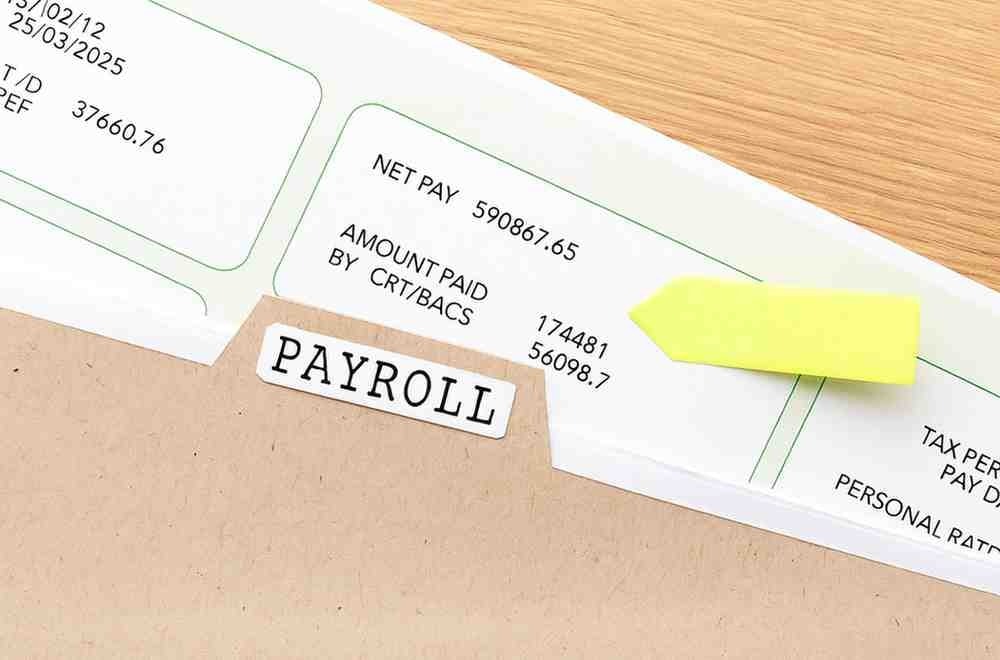
Self-employed individuals pay a combined self-employment tax rate of 15.3%. This includes both the employer and employee portions of Social Security and Medicare.
Unlike employees, self-employed individuals calculate and pay their own taxes quarterly. To stay compliant, you must make quarterly estimated tax payments using Form 1040-ES. These payments cover both your income tax and self-employment tax obligations.
These payments are necessary for your future benefits. This includes Social Security retirement and disability benefits, plus Medicare health coverage. Keeping track of your gross income, business expenses, and own taxes can help you get an accurate estimate of your total amount. It also helps you avoid underpayment penalties.
When Should Self-Employed Workers Create Pay Stubs?
There is no specific rule for when self-employed workers should create pay stubs. This is because they are responsible for managing their own payments.
You can create pay stubs each time you’re paid, whether that’s monthly, biweekly, or after each completed project. Create one depending on your income schedule. Keeping up to date will help you track your income and estimated taxes.
Regularly creating pay stubs can help you manage your finances better. It also confirms your rental or loan income and ensures your totals match your tax forms.
Recordkeeping Best Practices for 1099 Workers
Strong records make every 1099 pay stub more useful. A few habits that pay off:
-
Show the essentials on every stub: your name and contact details, the client or project, how you charge, and the amounts paid.
-
Keep tax compliance in view: self-employed workers make quarterly payments toward Social Security and Medicare, and detailed pay stubs make annual earnings easier to total accurately.
-
Save your stubs for loan and mortgage applications; lenders ask for income records, and clean documentation reads as financial responsibility.
-
Track payments on a regular schedule and store stubs in one organized place, sorted by client or by date.
How To Generate Pay Stubs That Meet US Self-Employed Pay Stub Requirements
Professional 1099 pay stubs help self-employed workers present their income clearly. To start creating one, gather all the necessary payment details. These details make sure your contractor stub shows the right financial information.
You can generate a 1099 pay stub using an online check stub maker. You can also add optional sections to track taxes, health insurance contributions, or retirement savings. This is if you make these payments yourself.
Ensure the layout appears clean and consistent with actual payroll documents. Accurate and well-organized pay stubs support your income statement. They also strengthen your financial management.
There’s no official US self-employed pay stub requirement. However, accurate, well-organized stubs can help you maintain credible income records. They're instrumental when applying for car loans or rental agreements, as well as for tax reporting. This is because they verify your gross income and enforce responsible recordkeeping for each pay period.
For quick and accurate contractor paycheck stubs, try our 123 Paystub approach. It helps you build clean, professional pay stubs step-by-step so your income documentation always matches what you report at tax time.
1099 Pay Stub Template & Example
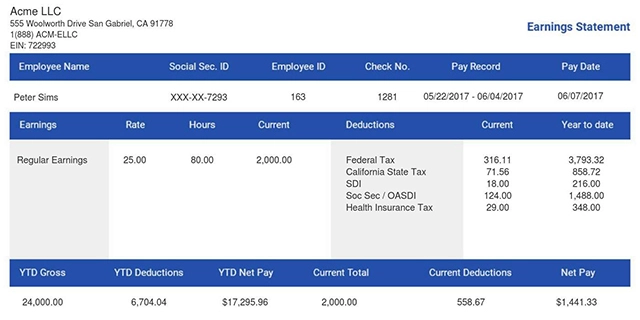
A 1099 pay stub looks like a regular pay stub with one key difference: no employer tax withholdings. Here is how the two compare:
| Feature | 1099 pay stub (contractor) | W-2 pay stub (employee) |
|---|---|---|
| Who creates it | You (or your client) generate it from payment records | The employer's payroll system issues it |
| Tax withholdings | None; you set aside your own self-employment taxes | Federal, state, Social Security, and Medicare taxes withheld |
| Year-end form | Form 1099-NEC from each client | Form W-2 from the employer |
| Gross vs net | Often the same number unless you list your own deductions | Net pay is gross minus withholdings |
When you are ready, you can create your 1099 pay stub in the generator: enter your payment details, preview the stub, and download a PDF.
What To Look For in a Pay Stub Generator
Whichever tool you use, check three things before entering your information: reachable customer support in case you hit a problem on a deadline, clear wage tracking that produces verifiable proof of income, and templates with automatic calculations so the math holds up.
Final Thoughts
Although being self-employed offers freedom, it also requires strong financial management skills. If you've ever wondered, "Do 1099 employees get pay stubs?" The answer is that they must create their own. Understanding U.S. self-employed pay stub requirements helps you stay clear and compliant. As your own boss, you're responsible for tracking income and ensuring timely and accurate tax payments. Creating and maintaining a proper 1099 pay stub helps you document your earnings clearly and prove income when needed.
Create your own professional 1099 pay stub in minutes today using our easy check stub generator. Handle your taxes and keep your records in order while presenting a well-organized and professional pay stub. It is easy and stress-free.
- 1. Enter Your Information

- 2. Select Your Favorite Theme

- 3. Download Your Stub!

 By
By