

Understanding the State of Emergency Work Laws
 By
By
Hurricanes, wildfires, and floods have occurred often in recent years. This has affected several million Americans. A declaration of a state of emergency typically follows such disasters. This leads to changes in the business environment and legal frameworks governing employees. It is so important that both employers and employees try to survive the challenges of these disasters.
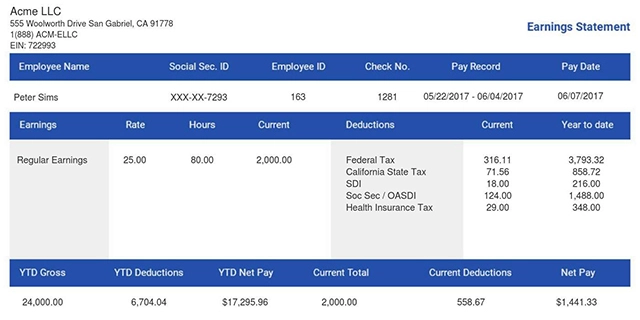
During these times, you need to understand how these state of emergency laws work. You'll have to know your rights and responsibilities. And because workplaces may be closed temporarily, it can be quite difficult to get your pay records. You can use a pay stub maker as an easy way to create your stubs.
Read on as we explain what a state of emergency means. You'll be able to understand how it works and who it affects.
- What Is a State of Emergency?
- Federal Government Level Emergency Declaration
- State Level Emergency Declaration
- Employee Rights Under State of Emergency Work Laws
- How Are Employers Affected by State of Emergency Work Laws?
- What Are Employer Obligations to Employees During Natural Disasters?
- Making the Best of a Bad Situation
- Final Thoughts
What Is a State of Emergency?
The declaration of a state of emergency means different things depending on who declares it. It is often about maintaining conditions to ensure public safety. For example, making an emergency declaration due to outbreaks of diseases or natural disasters.
On the whole, an emergency declaration typically comes up with the mobilization of resources or enforcement. It can also include the relaxation of certain laws and provisions.
Federal Government Level Emergency Declaration
This term means an emergency declared by the United States government. This is because of its commanding response from federal agencies. This is on the account of emanating from that level, including but not limited to:
Providing Food Assistance and Emergency Funding
During states of emergency, the federal government may provide emergency funding and food assistance. This assistance depends on the type of emergency or the president’s approval. It also depends on the declarations under the Stafford Act and FEMA policies.
It's for those affected by heavy natural disasters in the country. The state-level administration worked to protect public health and assist residents. This support is important in addressing food insecurity in the aftermath of a crisis. It could involve SNAP benefits and food banks.
For example, a NY state of emergency or a Nebraska state of emergency would trigger similar response plans to protect citizens.
Others include:
-
Provision of financial aid and emergency funding (the CARES Act did this during COVID-19)
-
Activation of emergency management provisions in government acts
-
Activation of federal resources like the Federal Emergency Management Agency
-
Relaxing normal requirements on the state and local government
State Level Emergency Declaration
Declaring a state of emergency is most often left to the governor. This means states can declare a state of emergency at their discretion. The effects of declaring an emergency would also vary from state to state. But, like federal ones, they involve some mobilization of resources. They also require some changes to the effects of legislation.
These kinds of changes are especially important. They can be particularly useful in areas that are mostly affected by hurricanes and other natural disasters.
For example, following the disasters like Harvey and Irma, some states adopted short-term changes. It protects work hours and labor laws. There was contingency funding to help affected individual businesses. It was also to guarantee an employee's welfare.
These kinds of changes are mostly done in line with the states of emergency laws. In a state like New Jersey, an NJ state of emergency might lead the governor to automatically close state offices. The authority to make such declarations is based on the state law, and it's designed to protect life and property. The state governor of such a state has the authority to declare an emergency when an imminent threat exists.
Employee Rights Under State of Emergency Work Laws
If you are an employee, you will want to know, "What does state of emergency mean for workers?" You will also want to know about your obligations and entitlements. At least, according to the state of emergency laws. These will vary depending on whether your job is deemed an essential service.
When Should You Expect Your Last Paycheck?
During an emergency declaration, your workplace can be temporarily or permanently closed due to a hurricane or natural disaster. So, you'll need to know when to expect your final paycheck. The federal law governing this issue is part of the Fair Labor Standards Act (FLSA). It does not specify when you're supposed to be paid. Most states set their own regulations. Some states require employers to pay on the last day. Others allow them to pay on the next regular payday or within a particular number of days.
For example, some states have provisions that employers should issue paychecks for the final check within 72 hours. Others by the next payable day.
Workplace Benefits
Federal law sets some rules around things like health coverage and protected leave. However, benefits like extra PTO or hazard pay depend on the employer. So any benefits they give are left to the discretion of the company. Employers can decide to provide based on the company’s employee engagement.
How Are Employers Affected by State of Emergency Work Laws?
Over the years, natural disasters, like hurricanes and storms, have taken their unique toll on employers across the United States. Most of the time, they almost always put a business in a difficult place. They have to make sure that they protect their business and that its safety is guaranteed. Natural disasters, such as hurricanes, often force businesses to disrupt their normal operations. This is because the employees and the business may be in danger.
Companies operating in hurricane-prone coastal states like Florida have to weigh ordering evacuations. Hence, they need to take action to ensure that the employees are safe and the business can continue during and after disasters. Some of these include:
-
Working remotely
-
Temporary closure of state offices
-
Post-disaster safety in the workplace
-
Compensation for employees during such incidents
The states of emergency laws can be very different, depending on the situation.
Can Employers Accept Volunteer Workers?
Generally, people can volunteer without pay during emergencies. This is especially for government agencies and some nonprofits. For private companies, volunteers usually have to be treated as employees. They have to be paid at least minimum wage and overtime.
What Are Employer Obligations to Employees During Natural Disasters?
During this time, flexibility is key. When these disasters occur, employees are instructed to respond promptly. If possible, employers should permit the affected workers to work from home.
The companies can also offer extra days off with pay or give time off. This is for emergency cases, such as eviction, property damage, or other hazardous conditions. This helps especially in situations where homing is not possible. Employers should adjust their established policies. It's to protect and ensure the safety of the employees. This should be under the guidance of the state of emergency laws. This should be under the guidance of the state of emergency work laws.
Can an Employer Request That Employees Work From Home?
One popular question employees ask is, "Does a state of emergency mean no work?" Employers may want their workers to work from home under the FLSA. In this regard, the Act specifically mentions natural disasters and public health emergencies. Employers should not single out any employee to work from home. This upholds the principles of equality.
They can require their employees to work from home as long as they still pay the minimum wage at least and overtime for all hours. They also have to comply with anti-discrimination laws.
Making the Best of a Bad Situation
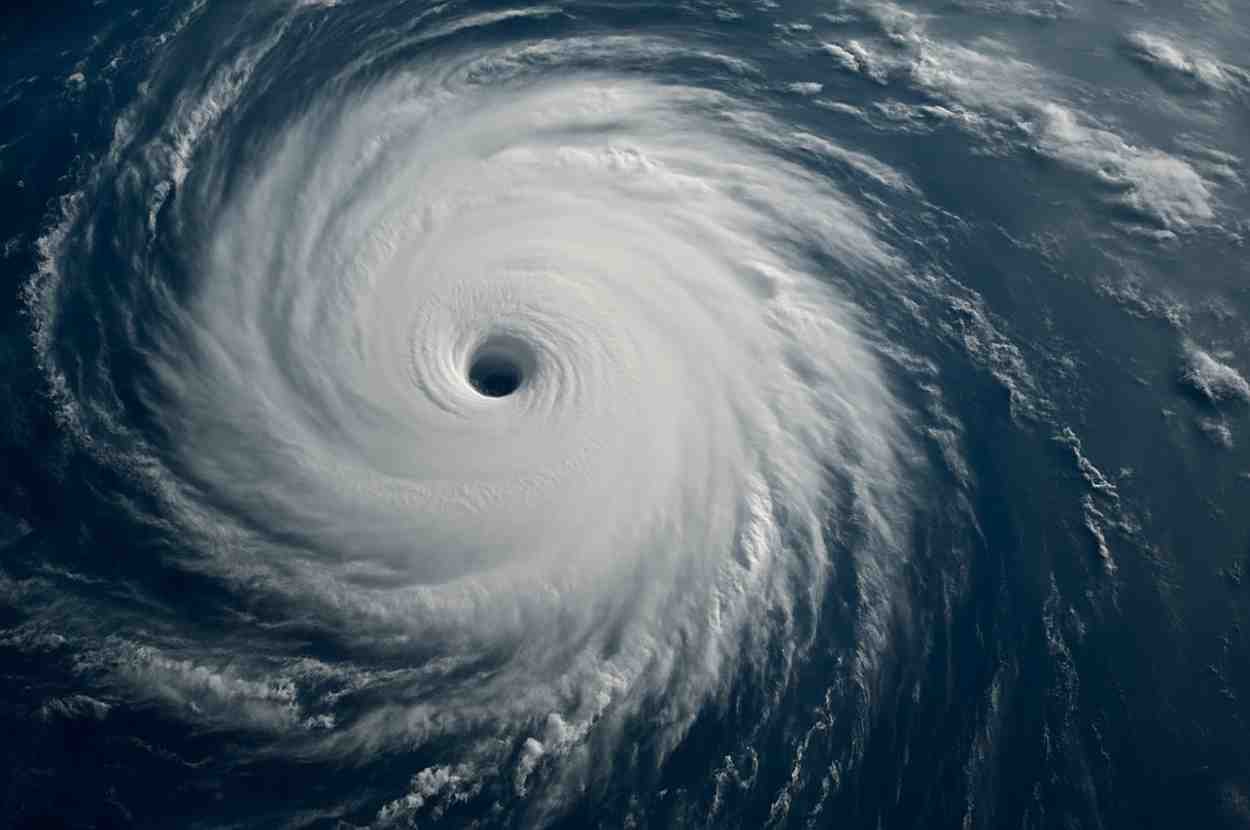
Hurricanes and natural disasters in the U.S. over the past few years have made conducting business very difficult. On the part of the employer, the upheaval caused by these unforeseen acts of nature requires decentralization whenever possible. Decentralization should enable your operations to run remotely. This ensures that your livelihood is protected. For employers that run organizations with frontline or deskless workers, they can use mobile-first platforms. It can ensure that they have access to updates even when traditional communication systems are down.
One such idea is to begin creating pay stubs online. So, if you take your payroll monitoring system online, you can rest assured that your employees will get their payment on time. This is regardless of the extent of what national emergencies cause. Be assured that this may be a reliable and long-term solution.
Final Thoughts
Many Americans face extreme conditions on and off the job. This is why it's important to understand the states of emergency laws. Employers should be aware of the laws governing disaster relief. They should know the specific rights of employees as well. Also, they need to understand the latest Federal and State laws and regulations. This helps to cut the risk of exposing your operation to legal liability. It can also help you continue to take the best possible care of your personnel.
Streamline your operations and stay on top of every change in the law. Do the safe thing and produce your pay stubs with a check stub maker today. It's simple and easy, and you'll be able to operate from the comfort of your home.
- 1. Enter Your Information

- 2. Select Your Favorite Theme

- 3. Download Your Stub!

 By
By