

Purchase Agreement Form: Free Complete Guide (2026)
 By
James Wilson
By
James Wilson Whether you're buying a car, selling business equipment, or closing on a home, a purchase agreement form is what protects both buyer and seller when money is on the line.
This legally binding document records every key term before a single dollar changes hands. These terms include purchase price, earnest money, closing date, and contingencies.
ThePayStubs.com helps self-employed buyers and sellers create the financial documents they need alongside these agreements. This guide explains what to include, how to write one, and where to get a free template today.
Key Takeaways
- A purchase agreement form is a legally binding contract between a buyer and seller that locks in the terms of a sale before completion.
- It must include the purchase price, the timeline for the earnest money deposit, the closing date, contingencies, and required disclosures.
- Simple one-page forms work for personal property transactions. Comprehensive multi-page forms are needed for real estate.
- You can get a free purchase agreement form online from legal template sites or state-specific agencies.
- Electronic signatures (DocuSign, Adobe Sign) are fully valid in all 50 states under the ESIGN Act.
What Is a Purchase Agreement Form?
A purchase agreement form is a legally binding contract between a buyer and a seller that documents the agreed-upon terms of a sale before the transaction is complete. It records the purchase price, earnest money deposit, closing date, contingencies, and required disclosures. It is valid for real estate, vehicles, business assets, and personal property transactions.
Beyond real estate, this document applies to a wide range of transactions, such as:
- Vehicle sales
- Business equipment
- Personal property
- Artwork, and more.
It's also known as a purchase contract, sales agreement, or agreement of sale.
What makes a purchase agreement form legally binding? Four elements must exist. These include:
- A clear offer from the buyer
- Acceptance by the seller
- Consideration: the purchase price exchanged
- Both parties' intent to be bound by the contract.
E-signatures are equally valid as handwritten signatures under federal law.
One key distinction is that a purchase agreement is signed before the transaction closes. A bill of sale, by contrast, is executed after the exchange is complete and simply documents that the transfer occurred.
Use a purchase agreement when conditions still need to be met and a bill of sale for simple, immediate exchanges.
Simple Purchase Agreement vs. Comprehensive Form

Not every transaction requires a 10-page contract. Knowing which type of purchase agreement to use saves time and avoids unnecessary complexity.
A simple purchase agreement, often one page, works well for personal property sales between parties who know each other. Examples are:
- a used car between friends
- a piece of furniture
- a small business's equipment.
These forms skip financing contingencies and state-mandated disclosures because the transaction is straightforward and the dollar amounts are low.
A comprehensive purchase agreement, typically 5 to 10 pages or more, is appropriate for real estate purchases, business acquisitions, and any high-value transaction involving contingencies, disclosures, and financing terms. These forms include protections for both parties that a simple one-page form simply doesn't cover.
Quick guide:
- Under $10,000, personal property, immediate exchange: use a simple purchase agreement
- Real estate, business sale, or high-value transactions with financing or contingencies: use a comprehensive form
What To Include in a Purchase Agreement Form
Every purchase agreement form should include these core elements:
1. Parties
Full legal names and mailing addresses of both buyer and seller. If buying from an entity, include the business name and state of formation.
2. Item or Property Description
Be specific. For real estate, use the legal description from the deed. For personal property, include make, model, year, and serial number where applicable. Vague descriptions may cause disputes.
3. Purchase Price and Payment Method
State the total amount and the payment method (i.e, all cash, bank financing, seller financing, or assumption of an existing mortgage). If you're self-employed, lenders will ask for proof of income documentation alongside the agreement.
Earnest Money
Earnest money is a deposit, typically 1-3% of the purchase price for real estate, paid by the buyer to show good faith. It's held in escrow and applied toward the purchase price at closing. Buyers financing their purchase often need pay stubs for loan applications to verify income before the lender approves the earnest money release.
Keep in mind that earnest money must typically be deposited within 3-5 business days of the agreement being signed. Missing this window can void your contingency protections and leave your deposit at risk.
4. Closing Date
The specific date, and sometimes time, by which the transaction must be completed. Note who is responsible for closing costs.
5. Contingencies
Conditions both parties must meet before the sale is final (see the next section for details).
6. Disclosures
Federal and state-required disclosures, including the lead-based paint disclosure for pre-1978 homes, and state property disclosure statements.
Representations and Warranties
The seller confirms a clear title, no undisclosed liens, and that the property or asset is in the condition described. An addendum may be used for additional terms.
How To Write a Purchase Agreement Form

Step 1: Name the Parties
List the full legal names and current mailing addresses of both buyer and seller. If the seller is a foreign person or entity, note that the buyer may be required to withhold up to 15% of the purchase price under IRS FIRPTA rules before disbursing funds.
Step 2: Describe the Item or Property
For real estate, use the legal description from the county deed or property tax records. Include the lot number, subdivision, city, county, and state. For vehicles or personal property, include make, model, year, and serial number. The more specific the description, the less room for dispute.
Step 3: Set the Purchase Price and Payment Terms
State the total purchase price, the earnest money deposit amount, and the payment method. If the buyer is using financing, specify the loan type (conventional, FHA, or VA) and any loan amount contingency.
Independent contractors or self-employed buyers should have their 1099 pay stubs ready. Lenders frequently request these as income verification. If seller financing is involved, attach a promissory note or specify terms in an addendum.
Step 4: Add Contingencies
Contingencies protect both parties by allowing the deal to be canceled, without penalty, if certain conditions aren't met. Common contingencies include:
-
Financing Contingency: Buyer must secure mortgage approval by a specific date.
-
Inspection Contingency: Buyer has the right to inspect the property and request repairs.
-
Appraisal Contingency: Property must appraise at or above the purchase price.
-
Sale Contingency: Buyer's existing property must sell before closing.
In competitive real estate markets, buyers sometimes waive inspection contingencies to make their offer more attractive. This removes a critical protection. A smarter approach is to schedule a pre-inspection before submitting your offer. So, you can bid confidently without waiving the contingency.
Step 5: Include Required Disclosures
Federal law requires a lead-based paint disclosure for any residential property built before 1978. Most states require a property disclosure statement from the seller covering known defects, HOA status, and other material facts.
Thirteen states follow a "buyer beware" (caveat emptor) doctrine. They include:
- Alabama
- Arkansas
- Colorado
- Florida
- Indiana
- Massachusetts
- Missouri
- Montana
- New Hampshire
- New Jersey
- Virginia
- West Virginia
- Wyoming
In these states, sellers have limited mandatory disclosure obligations. If you're buying in one of these states, hire a licensed inspector and request a full written disclosure statement from the seller, regardless.
Step 6: Sign the Agreement
Both the buyer and seller must sign and date the agreement. Notarization is generally not required for purchase agreements, but it adds a layer of legitimacy. It can also be useful if the agreement is later challenged. Keep a copy of your signed agreement alongside your earnings statement and other financial records for the lender's loan file.
2026 Update: Electronic signatures are fully valid under the federal ESIGN Act and UETA in all 50 states. Tools like DocuSign, Adobe Sign, and HelloSign let both parties sign remotely. No need to print, mail, or schedule an in-person signing.
After Signing
Each party should retain a fully executed copy. For real estate transactions, your lender will request the signed purchase agreement as part of the loan file. Watch your contingency deadlines carefully. Missing a deadline, such as a financing or inspection window, can void your protections under the agreement.
Where To Get a Free Purchase Agreement Form
Several reliable sources offer free and low-cost purchase agreement forms:
Online Legal Template Sites
These offer free basic purchase agreement forms in fillable PDF and Word formats. Most allow you to download immediately after answering a few questions. Look for templates that are attorney-reviewed and state-specific.
State Real Estate Associations
They often publish official purchase agreement forms for real estate transactions. Many state MLS boards make these available for free. Search "[your state] real estate purchase agreement form" to find them.
If you're wondering where to get a purchase agreement or "Where can I get a purchase agreement for free?", the fastest option is a legal template site or your state real estate association.
Both provide fillable, printable, and ready-to-use forms. Self-employed buyers should also have cash income documentation ready for lenders who require proof of non-traditional income.
Online Purchase Agreement Tools
These tools guide you through a step-by-step questionnaire to build a customized form in minutes. They work well when you need an agreement tailored to your specific transaction type and state.
When evaluating any free template, prioritize state-specific language, attorney review, and fields for all required disclosures.
For straightforward personal property or vehicle transactions, a free template is usually sufficient. For real estate, business acquisitions, or any transaction over $50,000, consider having an attorney review the final document.
You Might Also Like
- What Does a Pay Stub Look Like?
- Free Pay Stubs Online: How to Get Them
- Gross Monthly Income: What It Is and How to Calculate It
- How to Calculate Your Hourly, Weekly, and Monthly Income
- W2 Form Generator: Create Your W2 Online
Conclusion
A purchase agreement form is one of the most important documents in any major transaction. It locks in the terms before money changes hands and provides both the buyer and the seller with legal recourse if something goes wrong. Always include the purchase price, earnest money timeline, contingencies, and all required disclosures. In 2026, e-signature tools can make it easy to execute these forms digitally from anywhere.
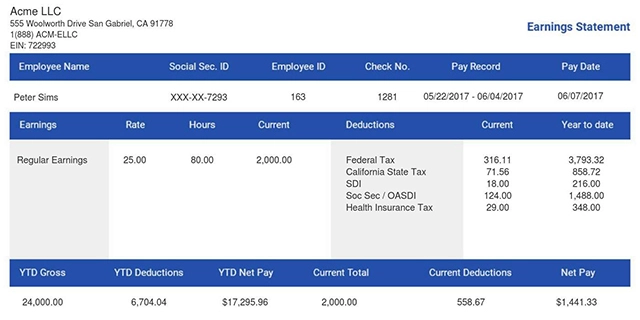
If you're self-employed or run a small business, you may also need verified financial documents alongside your purchase agreements. Use our pay stub generator at ThePayStubs.com to create professional proof of income, useful for mortgage lenders, landlords, and business partners who need to verify your earnings.
- 1. Enter Your Information

- 2. Select Your Favorite Theme

- 3. Download Your Stub!

 By
By