


Subletting vs Subleasing: Key Differences Explained (2026)
 By
James Wilson
By
James Wilson In 2026, subletting vs subleasing is one of the top rental questions tenants ask. The terms sound alike, but they point to different legal setups with real costs.
If you use the wrong setup, you could end up owing unpaid rent. You might face an eviction you didn't start, or a dispute you thought was closed. Getting the terms right decides who's on the hook.
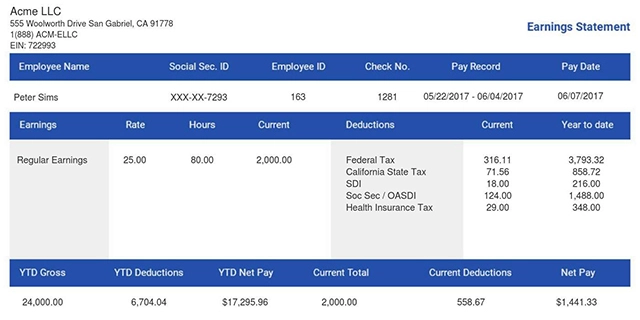
This guide covers the key definitions, the differences, and when to use each. Subtenants who plan to apply should bookmark a pay stub generator. Landlords and original tenants almost always ask for proof of income first.
Key Takeaways
- Subletting means the original tenant hands over the unit for a short time but stays on the lease.
- Subleasing means the original tenant signs a new side deal with a subtenant, based on the master lease.
- Both setups need written landlord approval in most states.
- The original tenant remains fully responsible for rent payments and property damage in both cases. It does not matter what the subtenant does.
- Subtenants should have proof of income ready before they apply for any subletting or subleasing deal.
What Is Subletting?
Subletting is when a tenant hands over the unit to another person (the subtenant) for a short time. The original tenant stays on the lease. They may share the unit (like renting out a room) or leave for a while and plan to come back. Landlord approval is needed in nearly every case.
The most common setup is when a student leaves for summer break and rents their room for three months. They move back when classes start. Another example is when a worker takes a short job in another city and sublets their place during this temporary absence.
In both cases, the original tenant's name stays on the lease. The subtenant pays the original tenant. The original tenant pays the landlord. The landlord holds the original tenant liable for rent payment, property damage, and all lease obligations. It does not matter what the subtenant does.
Most states ask for written consent from the landlord before subletting is allowed. Spoken deals do not hold up if a fight breaks out.
What Is Subleasing?

Subleasing is when a tenant (the sublessor) signs a new sublease agreement with a subtenant (sublessee) for all or part of the unit. The original tenant is still bound to the master lease. They still answer to the landlord, even though the sublessee can pay rent directly to them. Written landlord consent is usually needed.
The key point vs subletting is that in a sublease, the original tenant is not just handing over their spot for a short time. They are making a new legal layer. The sublessee has a written sublease agreement with the sublessor. The sublessor still has a deal with the landlord.
Think of the original tenant as a mini-landlord. They take rent from the sublessee. They pass it to the landlord. They stay on the hook for the rental property, even when they do not live there.
Here's a common business case:
A small business owner signs a 5-year lease on 3,000 square feet of office space. After they shift to remote work, they sublease 1,000 square feet to a freelance group. The owner pays the landlord the full monthly rent. The group pays the owner for its share. The original lease stays the same.
Both the sublessor and sublessee should read the master lease before signing. Many original leases limit or ban subleasing. Moving ahead without a check is one of the top mistakes.
Subletting vs Subleasing: Key Differences
The clearest way to grasp subletting vs subleasing is to look at the legal setup for each. Even old hands at renting mix them up. So here's a direct side-by-side:
| Feature | Subletting | Subleasing |
|---|---|---|
| Legal relationship | Subtenant lives there under the original tenant's setup | Sublessee has a new written sublease agreement with the original tenant |
| Rent flow | Subtenant pays original tenant; original tenant pays landlord | Sublessee pays original tenant; original tenant pays landlord |
| Duration | Short-term or part of the lease term | Can be longer; covers part or all of the unit |
| Scope | Often, a spare room or a short full vacancy | Can cover the full unit for a longer time |
| Original tenant liability | Fully on the hook to the landlord | Fully on the hook to the landlord |
In both cases, the original tenant's legal responsibility to the landlord remains unchanged. The landlord's contract is always with the original tenant.
The 2-Question Decision Rule
Not sure which setup fits? Ask yourself two things:
- Are you leaving for a short time or for good?
- Are you renting part or all of the unit?
Leaving for a short time and renting a spare room? Subletting fits. Renting out your full unit for a few months while you're away? Subleasing fits better. Leaving for good and want someone to take over the lease? That's a lease assignment. It's a different setup, and it ends in a full lease termination for you.
You might also see "sublease vs sublet" used as if they mean the same thing. Most landlords use "sublease" in a loose way to mean both. But the legal point matters when you set up your deal and when you want to stay safe if things go wrong.
When To Use Subletting vs Subleasing: Real Scenarios

Knowing which setup fits your case is what actually keeps you safe. Here are the top cases for subletting vs subleasing in real life.
Scenario 1: Renter Leaving for a Short Time
Maria has a 12-month lease in Chicago. She takes a 4-month job in another city. She does not want to keep paying rent on an empty place. She subleases her apartment to a grad student for those four months. She stays on the original lease. She moves back when the job ends. The grad student pays Maria. Maria pays the landlord. The original lease continues to run during her temporary absence.
Scenario 2: Small Business Owner With Extra Space
A marketing agency signs a 3-year lease on 2,500 square feet. After they shift to a hybrid schedule, they use just half. They sublet the extra half to a design studio on a month-to-month basis. The agency pays the full rent to the landlord. The sublet income helps cover the cost.
When Subletting Makes Sense
- You're renting out a spare room while you still live there
- Your time away is short (less than three months)
- You want a loose deal for a short time
When Subleasing Makes Sense
- You're leaving the full unit for a longer time
- You need to cover lease costs while you're away
- You want a written sublease deal with clear terms
A Note on Short-Term Rentals
Listing your unit on Airbnb or VRBO counts as subleasing. Most standard leases ask for the landlord's approval for any short-term rental. Many cities, such as New York and San Francisco, have local rules that add more limits. Check your lease and local laws before you list. If you're not sure which setup fits, read your lease's subleasing clause before you talk to your landlord.
Risks of Subletting and Subleasing
Risks for the Original Tenant
You need to grasp the risks of subletting vs subleasing before you commit. Both setups carry real financial liability and legal risk for the primary leaseholder.
Financial Liability
If your subtenant stops rent payment, you still owe the landlord the full amount. The landlord's legal contract is with you, not the subtenant. Missed rent payment from a subtenant means you pay the gap yourself.
Eviction Risk
If you sublease without written consent, you are likely in breach of the lease. The landlord can pursue lease termination. They can start eviction for you and the subtenant.
Property Damage
Even if the subtenant causes the damage, you still answer to the landlord. Your security deposit is at risk. You may face bills that go past the security deposit.
Subtenant Won't Leave
If the sublease ends and the subtenant stays, you may need to start the eviction yourself. The process takes time. It can cost money.
State Law Note
New York requires landlords in buildings with four or more units to reply to sublease requests in 30 days. No reply can count as a yes. The New York Attorney General's office guides tenants on these rules. California Civil Code section 1995.270 bars landlords from withholding consent for no good reason.
The San Francisco Rent Board adds local guidance for city tenants. Texas Property Code section 91.005 gives landlords broad power to limit or deny subleasing. Laws change. So, always ensure you check your state's current rules first.
Risks for the Subtenant
Subtenants have fewer legal rights than primary tenants. It's worth knowing this before you sign.
If the original tenant stops paying the landlord, the sublessee may face eviction. That's true even if they paid their rent on time. The landlord's contract is not with the sublessee. It's with the primary tenant.
Subtenants also have fewer options if the landlord refuses to make repairs or violates habitability standards. Before you sign, read the master lease. Have your proof of income for the rental application ready. Confirm the original tenant has landlord approval in writing.
How To Verify a Subtenant's Income
This is one step that original tenants often skip. Before you hand over your lease to a subtenant, you need to know they can pay the rent.
Most landlords ask for proof that a tenant earns at least 2 to 3 times the monthly rent. As the original tenant, using the same rule keeps you safe from the financial liability you'd take on if the subtenant fails to pay.
Here's a quick screening list before you close any subletting vs subleasing deal:
- Proof of income: Ask for recent paystubs (the last two to three months). For self-employed or gig workers, there are specific ways to document self-employed income that meet most rental needs.
- Credit check: Most landlords use a credit score of 620 or above as a base. Use the same rule.
- Background check: Verify that the subtenant has no prior evictions.
- References: Ask a past landlord for contact info.
- Government-issued ID: Confirm their identity before you sign.
Getting this right up front stops the fights that make subletting and subleasing go bad.
Pros and Cons for Landlords and Tenants
Knowing both sides of the subletting vs subleasing choice helps you make a smart call. That's true in any role.
For Tenants
Pros:
- Skip costly early termination fees, which often run one to two months' rent in most markets
- Cover rent costs when you don't need the rental property
- Keep your lease so you can come back later, with no lease termination
- Keep your rental history with no gap
Cons:
- You still owe money and answer to the landlord, even if the subtenant is bad
- You have limited say in how the subtenant treats the place
- Landlord's approval is not a sure thing. Some leases ban subleasing.
- Managing a subtenant adds work you may not plan for
For Landlords
Pros:
- Rent stays steady, even when the original tenant is away for a short time
- Flex draws quality long-term tenants who may need to move around
- No need to find a new tenant or re-sign a lease mid-term
Cons:
- You lose direct say over who lives in the unit. The subtenant skips your screening process.
- Extra wear and tear is harder to track when folks change
- Legal issues come up more when a subtenant breaks things or won't leave
Tip for landlords: Put a clear sublease clause in every lease from day one. Decide up front if you'll allow subletting, ask for written consent, or ban it. A clear clause stops most fights before they start.
You Might Also Like
- How to Write a Proof of Income Letter for an Apartment
- Proof of Income If You're Paid in Cash
- What Counts as Proof of Income?
- Proof of Income for Landlords: What Tenants Need to Know
- Pay Stubs for Loan Applications: What Lenders Look For
Conclusion
The gap between subletting vs subleasing comes down to setup and time. One fact stays the same: the original tenant keeps the full legal responsibility to the landlord. It does not matter what the subtenant does. That's the point most folks miss when they start. Get your lease clause right. Get landlord approval in writing. Screen your subtenant with care before you hand over the keys. These extra steps up front stop the costly fights that make subletting vs subleasing deals go bad.
If you're a subtenant and need proof of income for a rental application, use a trusted paystub generator to make clean pay stubs fast. And if you're the original tenant doing the screening, the list in this guide is a solid start. Always read your state's current landlord-tenant laws before you move ahead. The rules change more often than most folks think.
- 1. Enter Your Information

- 2. Select Your Favorite Theme

- 3. Download Your Stub!


 By
By