

Does PTO Count Towards Overtime? 2026 FLSA Guide
 By
By
So, does PTO count towards overtime? No. Under the federal Fair Labor Standards Act (FLSA), paid time off does not count as hours worked. That means PTO does not push you past the 40-hour overtime line.
Your paycheck might list 44 paid hours. However, unless you actually worked more than 40 hours, no overtime is owed. The full breakdown on how hours show up on your pay stubs helps you spot errors fast.
This guide explains the FLSA rules in plain English. We cover the law, real examples from both sides, and the most common myths. By the end, you will know exactly "How does PTO count towards overtime?" work in practice.
Key Takeaways
-
PTO (vacation, sick leave, personal days, and holiday pay) is not counted as hours worked under the FLSA.
-
Overtime must be paid to nonexempt employees only for hours actually worked over 40 in a week.
-
A paycheck showing 44 paid hours does not qualify for overtime if only 36 hours were worked, plus 8 hours of PTO were paid.
-
Employers may treat PTO as overtime on their own, but federal law does not require it.
-
Some states add extra rules. Check with your state labor department for details.
- Key Takeaways
- Overtime (OT) and Double Time: What's the Big Deal?
- Does PTO Count Towards Overtime Under Federal Law?
- Does PTO Count Towards Overtime? Vacation, Sick Leave, and Holidays
- How Do PTO and Overtime Work in the Same Week?
- A Quick Note on Tracking and Payroll Errors
- Worked Examples: Does PTO Count Towards Overtime in Real Pay Periods
- Common Misconceptions About PTO and Overtime Pay
- How To Tell If Hours Count Toward Overtime
- Does PTO Count Towards Overtime in My State?
- How Employers Should Track PTO and Overtime Separately
- You Might Also Like
- Conclusion
Overtime (OT) and Double Time: What's the Big Deal?
Overtime (OT) and double time get tossed around at work all the time. Here is what each one means in plain terms:
Paid time off (PTO) is paid leave. Employees get their regular wages for days they do not work. This includes vacation time, sick time, personal days, and paid holidays. PTO is an employer-provided benefit. Federal law does not require it. Some states do mandate certain types of paid leave.
Overtime is the higher pay rate. It is set at 1.5 times the regular rate of pay for nonexempt employees. Most nonexempt employees are hourly. Some salaried workers are also nonexempt under the Department of Labor threshold. Under the FLSA, nonexempt employees earn overtime once they work over 40 hours in a single workweek.
Overtime is based on hours worked. It is not based on hours paid. Because PTO means pay for time you did not work, it is treated as different from regular work hours. So, when you ask, "Does PTO count towards overtime?" the answer flows from this single rule.
Does PTO Count Towards Overtime Under Federal Law?

Under the FLSA, PTO hours do not count toward the 40-hour threshold for overtime. Only actual hours worked count. Time spent doing job duties is what gets credited. A paycheck might show 44 hours, but if 8 of those are PTO, only 36 are work hours. No overtime is owed.
PTO goes by many names. The Department of Labor reminds us that PTO is simply paid time not worked. This rule is still active in 2026 under the FLSA. Large employers, such as Amazon, treat PTO separately from overtime in their payroll policies.
So, when you ask, " Does PTO count towards overtime in your weekly pay run?" look at the pay stub. Pull out the work hours, then check if those hours alone go over 40. That is the only test that matters under federal law.
Wage-and-hour mistakes occur when employers fail to separate work hours from PTO-paid hours. Counting PTO toward overtime, or adding total paid hours together, leads to errors. The fix is simple. Show two clear fields on the pay stub. One for worked hours. One for PTO hours. Good PTO tracking starts there.
Does PTO Count Towards Overtime? Vacation, Sick Leave, and Holidays
None of these count toward overtime. Vacation sick days, personal days, and holiday hours never roll into your 40-hour threshold. Only actual hours worked, plus any worked PTO paid as part of a special policy, are added.
-
Vacation days: These are not work hours. You are on vacation and not on the clock.
-
Sick leave: Not included. Even fully paid sick time does not generate overtime hours.
-
Sick time: Not counted as time worked. The FMLA gives you the right to unpaid leave for serious health needs, but those hours never count toward overtime.
-
Holiday pay (when not working): Not counted as work hours. The business is closed, and you are off.
Note: If you actually work on a holiday, those hours do count. They can push you over 40 and earn overtime. The Americans with Disabilities Act also gives some workers the right to leave for medical reasons, but those leave hours do not change the overtime math.
How Do PTO and Overtime Work in the Same Week?

Many workers ask if taking a PTO day cuts their overtime pay. The short answer is no. Taking PTO in a week does not lower the overtime rate for hours you worked that same week. For example, say you worked 42 hours and took one PTO day. You still get two hours of overtime pay. PTO pay is at the regular rate. It does not cancel out the overtime you already earned.
Overtime and PTO are two separate math problems. PTO does not reduce overtime hours worked. Picture an employee who works 41 hours Monday through Friday in week one. The next week, that same person takes 8 hours of PTO on Monday. In week one, they earn one overtime hour. The PTO in week two is paid at the regular rate, separate from the overtime in week one.
A Quick Note on Tracking and Payroll Errors
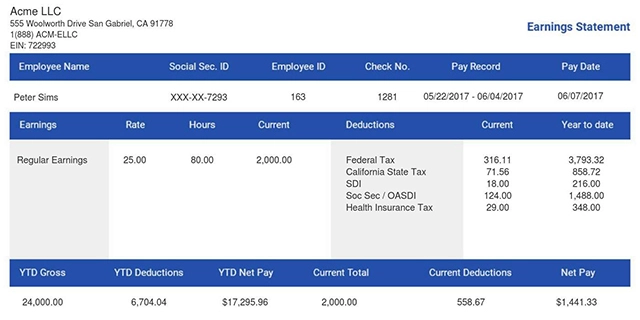
PTO mistakes appear most often on small-business pay stubs. Owners may not break out worked PTO from regular hours, leading to confusion. Clear PTO tracking solves the problem. List worked hours, overtime hours, and PTO hours in three separate rows on every pay stub.
This is why splitting hours on the pay stub matters so much. It helps both sides verify the math. We also have an overtime calculator for any week where worked hours and PTO need a quick check.
Worked Examples: Does PTO Count Towards Overtime in Real Pay Periods
The numbers tell the real story. Here are three short examples:
Example A: Employee View
You work 9 hours a day, Monday through Thursday. That is 36 hours. You then use 8 hours of sick leave on Friday. The total paid hours hit 44, but you only worked 36. No overtime is owed. Sick hours show up on the check stub as paid time, not as worked time.
Example B: Employer View
This rule is hard on small business owners. Say an hourly worker puts in four 10-hour days, Tuesday through Friday. That is 40 hours. Then the worker uses 8 hours of PTO on Monday. The week now shows 48 paid hours, but work hours are only 40. No overtime is owed. The 40-hour line was met solely by worked time, and the PTO day does not change that.
Example C: When Both Happen in the Same Week
This worker logs 42 hours and takes one PTO day. The employer owes 40 hours of regular pay, plus 2 hours of overtime at 1.5x, plus 8 hours of PTO at the regular rate. The PTO does not count against overtime hours.
Common Misconceptions About PTO and Overtime Pay
Myth 1: My Paycheck Shows 43 Hours, So I Get OT for the Extra 3 Hours
Wrong. Overtime is based on hours of service. If your paycheck shows 43 paid hours, but only 35 of them are worked hours, plus 8 of PTO paid, no overtime is owed. You did not pass the 40-hour line on worked hours alone.
Myth 2: Using PTO on a Heavy Work Week Is the Same as Giving up Overtime
Wrong again. Overtime is calculated by hours worked in the same workweek. PTO cannot cancel out overtime. Picture an employee who works 42 hours plus an 8-hour PTO day. That worker still gets paid for 2 hours of overtime, plus the PTO day. Overtime pay is a strong reward for workers who go past 40 hours.
Myth 3: PTO Pay Counts as Overtime Pay
Wrong. Under the FLSA, only hours actually worked count toward overtime. The pay rate for PTO does not matter. Even if your employer pays you triple your regular rate for PTO, those hours still do not push you into overtime territory.
How To Tell If Hours Count Toward Overtime
Not every hour in the week is a work hour. Use this short test.
Hours That Count:
-
Paid regular time for all shifts you are scheduled to work.
-
Employer-required training sessions.
-
On-call hours when you cannot sleep or leave your post.
-
Short rest breaks of 20 minutes or less.
-
Travel for work done before or after regular hours.
Hours That Do Not Count:
-
PTO paid (vacation, sick time, personal days, and holiday pay when not working).
-
Unpaid meal breaks of 30 minutes or more when you are fully off duty.
-
Paid leave for jury duty, bereavement, or other time off when no work is done.
The test is simple. If you are not doing work for the employer, those hours are not work hours. Check your pay stub deduction codes to see how your paycheck labels each type of hour.
Does PTO Count Towards Overtime in My State?
Under federal FLSA rules, PTO does not count toward overtime. A few states add their own daily overtime rules. PTO still does not count under those state rules either.
A few state-specific notes:
-
California: Daily overtime kicks in after 8 hours of work in a day. Weekly overtime kicks in after 40 hours of work in a week. PTO does not count toward either threshold.
-
New York: PTO is not paid at the overtime rate at separation. FLSA federal rules apply here, too.
-
Illinois: State law follows the FLSA. Some employers may have different PTO policies in different contracts.
-
Family and Medical Leave Act (FMLA): Leave under the FMLA is unpaid. Those hours do not count as overtime or work hours.
No federal law makes PTO count toward overtime. A few states have changed PTO accrual rules in 2025 and 2026, but none have changed the overtime rule. PTO still does not count.
How Employers Should Track PTO and Overtime Separately
Good records are required by law. The FLSA requires employers to keep accurate records of hours worked and wages for at least 3 years. Strong PTO tracking protects everyone.
Mixing PTO hours with worked hours is the most common payroll mistake. It causes overtime disputes and wage claims. So, when a worker asks, "Does PTO count towards overtime?" you can show the answer right on the pay stub.
Best practices for small business owners:
-
Track clock-ins, clock-outs, and time off in one system. Homebase, OnTheClock, and Clockify are good options.
-
Show regular hours, overtime hours, and PTO paid as three separate lines on the pay stub. Learn what payroll codes mean to label them correctly.
-
Update your employee notice poster (including PTO policy) every year. State and federal labor notice rules change often.
Does your business track regular hours, overtime hours, and paid time off correctly in payroll? Even if your software does not split the three on its own, your pay stub still can. A clean pay stub serves as proof of income for rent, loans, and other needs. ThePayStubs.com makes it easy to create custom pay stubs online.
You Might Also Like
Conclusion
So, does PTO count towards overtime? No. Only hours actually worked count toward the 40-hour line. Hours paid for PTO never push you into overtime under federal law in 2026. PTO is part of total pay but not part of work time.
Check your pay stub. Make sure the worked hours, overtime hours, and PTO paid appear in three clear rows. Employers can start fresh with a quality paystub generator that splits these out by default. Clean records make payroll simple and keep workers paid right.
- 1. Enter Your Information

- 2. Select Your Favorite Theme

- 3. Download Your Stub!

 By
By