

Voluntary Deductions: What They Are + 2026 Examples
 By
By
Voluntary deductions are amounts withheld from paycheck pay for optional employee benefits you choose. Common examples include health insurance, retirement contributions, and savings plans. These amounts lower your gross pay. In return, you get benefits at group rates you may not afford alone.
For business owners, the setup can be tricky. You must withhold the right amount. You must report it on the W-2 the right way. Small mistakes can lead to payroll disputes.
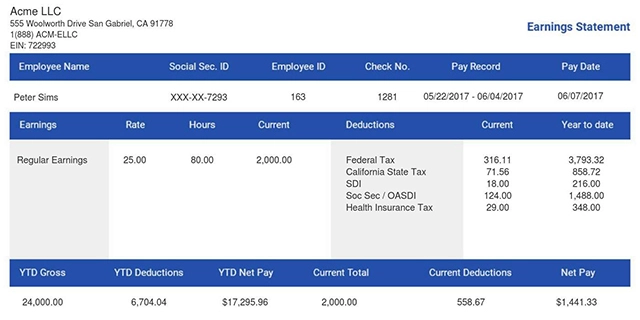
This guide explains each type in plain terms. It covers what changed for 2026. It also shows how they appear on a pay stub. Every line item should be clear and labeled.
Key Takeaways
- Voluntary deductions are amounts withheld from your paycheck for optional employee benefits. Examples include disability insurance, a 401(k), an HSA, or an FSA. Your employer needs your written consent first.
- Pre-tax deductions lower your taxable income. Post-tax deductions do not. The split between pre-tax and post-tax matters at tax time.
- They come out of your pay after mandatory deductions.
- Check your pay stub each pay period. Make sure every withholding is correct.
What Are Voluntary Deductions?
Voluntary deductions are amounts you choose to have withheld from your paycheck. The money funds benefits like health insurance, a 401(k), or other retirement accounts. Many of these are pre-tax. That means they lower your gross pay. Your net pay drops, but so does the income tax you owe.
Employers must label each one correctly. They appear on your pay stub and on your year-end W-2. (See What's on a Pay Stub? for a full breakdown.)
Say you contribute to a 401(k). Your pre-tax 401(k) amount shows up on the pay stub as a 401(k) line item. This is easy for most employees to read. For employers, it needs care. Classify a pre-tax item as post-tax by mistake, and you risk W-2 errors and fines.
Common Types of Voluntary Payroll Deductions

Voluntary payroll deductions fall into two groups. Some are pre-tax. Some are post-tax.
Pre-Tax Voluntary Deductions
Pre-tax options come out before taxes are figured. They lower the wages that federal, state, and local taxes apply to. In most cases, they also lower your Social Security wages.
Common pre-tax options include:
- Health insurance premiums: Often called medical, dental, and vision coverage. Dental insurance and vision insurance usually sit in the same plan. This is the most common benefit. It often runs through a Section 125 cafeteria plan.
- 401(k) traditional contributions: Your 401(k) or 403(b) money goes in before tax. This lowers your federal and state income tax. Many employers add an employer match on top.
- Health Savings Account (HSA): HSA contributions are pre-tax if you have a qualified high deductible health plan.
- Flexible Spending Account (FSA): FSA funds cover medical or dependent care costs.
- Commuter benefits: Transit passes or parking, set aside before tax.
- Group life insurance: When offered through a Section 125 plan.
2026 IRS contribution limits:
| Plan | 2026 Annual Limit |
|---|---|
| FSA | $3,400 |
| HSA (self-only coverage) | $4,400 |
| HSA (family coverage) | $8,750 |
| 401(k) employee contributions | $23,500 |
Post-Tax Voluntary Deductions
Post-tax options come out after taxes. You pay your tax first. Then these amounts leave your pay.
Common post-tax options include:
- Roth 401(k) contributions: You fund these with after-tax dollars. Qualified withdrawals later are tax-free.
- Life insurance premiums: When they do not qualify for pre-tax treatment.
- Union dues: Paid through payroll on a post-tax basis.
- Charitable donations: Made through employer payroll-giving programs.
Some FSA and dependent care amounts must be tracked on their own. They show up on the W-2 in Box 12 under set codes.
Voluntary vs. Mandatory Deductions
Your paycheck holds both mandatory and voluntary deductions. Mandatory ones are required by law. Voluntary ones need your consent.
Mandatory deductions are taken out no matter what:
- Federal income tax (based on your Form W-4)
- State income tax (most states collect one)
- Social Security: 6.2% of wages up to the yearly cap
- Medicare: 1.45% of all wages, with no cap
- Wage garnishment (court-ordered amounts)
All deductions follow an order. Mandatory deductions come first. Voluntary ones come next. Pre-tax voluntary items are special. They come out before income tax is figured. Post-tax items come out after.
Here is a simple example. Maria earns $1,000 a week. She puts $150 into pre-tax health insurance. That drops the wages taxed for income tax to $850. So she pays less tax that week.
Why Might Someone Voluntarily Have Money Deducted From Their Paycheck?

There are two big reasons. The first is savings. Money goes into a 401(k) or HSA before you can spend it. The second is lower taxes. Pre-tax benefits shrink the wages your income tax is based on.
Take Maria again. Her $150 weekly health premium is pre-tax. Say her tax rate is about 22%. She saves around $33 in tax that week. Now add a $100 pre-tax 401(k) contribution. That is $250 of pay set aside before tax. Her weekly savings grow. Over a full year, they add up.
Small business owners gain too. Maria runs a 12-person landscaping crew. She offers health insurance and a SIMPLE IRA instead of higher base pay. These pre-tax benefits also lower her FICA payroll taxes. Both sides win.
Do you need to document income as a contractor? See our guide to creating 1099 pay stubs.
How to Manage Voluntary Deductions
Good management comes down to a few habits. Take the right amounts. Classify them correctly. Keep clear records. Payroll software can handle most of this for you.
Get written consent. You need a signed form from each employee. It states the amount and the purpose, such as a 401(k) withholding. Get it before the first paycheck with that deduction. No form means no withholding.
Classify every deduction correctly. The W-2 treats each type in its own way. Some lower Box 1 wages. Some do not. Pre-tax items, like a Section 125 health plan, reduce taxable income. Post-tax items do not. Get the label right to avoid W-2 errors.
Track annual limits. Each plan has a yearly cap. See the 2026 contribution limits table above. Stop the deduction once an employee hits the limit. Over-contributions must be fixed and may face a penalty. Watch the employer match against the 401(k) limit too.
Review year-to-date deductions. Compare the year-to-date deductions on pay stubs to what you sent each provider. Check this monthly, not just in December. Early checks catch errors before they grow.
Common challenges to watch for:
- Employees who forget they signed up. Most state pay stub laws require itemized deductions on every stub. Clear labels help.
- Life events like marriage or a new child. Let staff update elections during open enrollment or a qualified event.
- Reconciliation errors. Catch them early with monthly checks.
You Might Also Like
- Payroll Codes: What They Mean on Your Pay Stub
- How to Read a W-2 Like a Pro
- W-2 vs Pay Stub: Key Differences Explained
- How to Calculate Your Hourly, Weekly, and Monthly Income
- Employment Verification and Proof of Income Documents
Conclusion
Voluntary deductions are a smart benefit. They let employees buy coverage at group rates. They give employers an edge in hiring. The key is to know which are pre-tax and which are post-tax. Keep written consent for each one. Show every voluntary deduction as a clear line item on the pay stub.
Our paystub generator makes this easy. It builds pay stubs with both voluntary and mandatory deductions. It even gives a year-end summary. The whole process takes only minutes.
- 1. Enter Your Information

- 2. Select Your Favorite Theme

- 3. Download Your Stub!

 By
By