

How To Remove a Cosigner From a Car Title After Payoff
 By
By
Paying off your car loan is a major milestone. However, if you had a cosigner, there's an important follow-up step many people miss.
Knowing how to remove a cosigner from a car title after payoff matters. This is because loan payoff and title updates are two separate processes. Clearing the balance doesn't automatically update the title.
This guide covers the cosigner vs. co-owner distinction, walks through four ways to get the cosigner off your loan, and explains the title update process at the DMV. It also shows where pay stubs fit in if your lender asks for proof of income.
Key Takeaways
- Paying off the loan clears the debt but doesn't automatically update the car title.
- Most cosigners aren't listed on the car title; check your title document first before visiting the DMV.
- Four methods to remove a cosigner from a loan. They include refinancing, cosigner release, paying off the balance, or selling the car.
- Title transfer fees range from $15 to $60, depending on your state.
- Most states issue a new title within 2 to 6 weeks of your DMV application.
- Key Takeaways
- What Is a Cosigner vs. Co-Owner on a Car Title?
- How To Remove a Cosigner From a Car Title After Payoff
- Why You Might Need To Remove a Cosigner From a Car Title After Payoff
- Does a Cosigner Appear on Your Car Title?
- Does Removing a Cosigner Affect Your Credit Score?
- You Might Also Like
- Conclusion: How To Remove a Cosigner From a Car Title After Payoff
What Is a Cosigner vs. Co-Owner on a Car Title?
A cosigner guarantees your auto loan if you default, but doesn't automatically appear on the car title. A co-owner is listed on the title document and shares legal ownership. Check your title first. If only your name appears, no title action is needed after payoff. Only co-owners require a formal title transfer at the DMV.
The wording on the title matters. If it says "and" between the names, both parties must sign to make changes. If it says "or," either person can act alone. This distinction affects every step of the removal process.
How To Remove a Cosigner From a Car Title After Payoff

This process runs in two stages. Resolve the loan first, then update the title with your state DMV. There are four methods to handle the loan side. Pick whichever fits your situation.
1. Refinance Your Auto Loan
Refinancing takes out a new loan in your name only, which pays off the original cosigned loan and releases your cosigner. Most lenders require a credit score of at least 600, with 700 or higher earning the best rates. You'll also need a clean payment history on the current loan.
Major banks like Chase, Wells Fargo, and Bank of America typically require refinancing. They don't offer cosigner release programs, so refinancing is often the only option.
2. Request a Cosigner Release
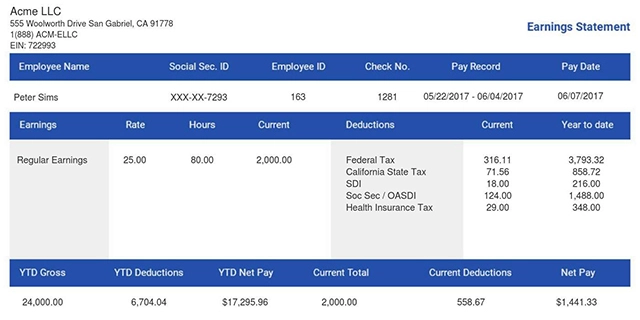
Some lenders, particularly credit unions and regional banks, let you remove a cosigner without refinancing. You'll need to submit proof of income, such as recent pay stubs, showing you can service the loan on your own.
Most lenders require 12 to 24 months of on-time payments before approving a cosigner release. If you're self-employed or freelance without traditional pay documentation, see our guide on pay stubs for loan applications for the income records your lender needs to approve the request.
3. Pay Off the Loan in Full
Paying off the balance completely releases both parties from the loan. As soon as your final payment posts, contact your lender to request the lien release document. Some lenders send it automatically, while others require a written request. Ask your lender up front so you're not waiting on paperwork you need to initiate.
Some lenders charge a prepayment penalty of roughly 2% of the remaining balance, so factor that in before paying early.
4. Sell or Trade In Your Car
Trading in at a dealership pays off your loan balance and automatically releases the cosigner. A private sale works the same way. If your cosigner is also listed on the title, they'll need to sign the paperwork to complete the transfer.
After resolving the loan, bring your lien release to the DMV with a completed title application and photo ID. Title transfer fees range from $15 to $60 by state. As of 2026, many states now offer electronic title transfers online, so check your state DMV website before making an in-person trip.
Why You Might Need To Remove a Cosigner From a Car Title After Payoff
There are a few common reasons people need to remove a cosigner from a car title after payoff:
- Improved credit: Your credit score has improved enough since the original loan application that you no longer need a cosigner to qualify.
- Relationship change: Divorce, separation, or a business partnership that ended often requires removing a cosigner so assets can be divided cleanly.
- Protecting their credit: Your cosigner's debt-to-income ratio is tied to the loan. Removing them frees up that capacity and may help them qualify for credit on their own.
Whatever the reason, the steps for how to remove a cosigner from a car title after payoff are the same regardless of your situation.
Does a Cosigner Appear on Your Car Title?

In most cases, no. A cosigner is tied to the loan, not the car title. While the loan is active, the lender (lienholder) appears on the title instead. After payoff, you receive a clean title in your name. The exception is that if the cosigner was added as a co-owner at purchase, their name will appear on the title, and a DMV title transfer will be required.
If your cosigner isn't listed on the title, the lien release from your lender handles the update automatically. Knowing this upfront simplifies the full picture of how to remove a cosigner from a car title after payoff.
Does Removing a Cosigner Affect Your Credit Score?
It depends on how you remove them. Refinancing triggers a hard inquiry, causing a temporary 5 to 10 point dip that typically recovers within 6 to 12 months. Paying off the loan may slightly reduce your credit mix. For your cosigner, removal improves their debt-to-income ratio. Overall, the impact is minor if you've maintained a solid payment history.
You Might Also Like
- Proof of Income If Paid in Cash
- How to Remove IC Systems From Your Credit Report
- Credit Strong Review
- How to Get a Check Stub for Loans for Quick Approval
- What Is Annual Income
Conclusion: How To Remove a Cosigner From a Car Title After Payoff
The path forward breaks into two steps. Clear the loan first, then update the title at the DMV. Most cosigners aren't listed on the title at all, so checking your title document first could save you an unnecessary DMV visit. With the right approach, refinancing, cosigner release, or paying off the balance, you can complete the process in a few weeks.
If your lender asks for proof of income during a cosigner release, our paystub generator can create professional pay stubs in minutes. It's a fast option for freelancers and self-employed borrowers who need income paperwork without the HR delay.
- 1. Enter Your Information

- 2. Select Your Favorite Theme

- 3. Download Your Stub!


 By
By