

15 Questions To Ask a Property Management Company (2026)
 By
By
Hiring a property manager is one of the biggest choices you'll make as a rental property owner. The right firm protects your rental income. It cuts vacancies and keeps your property legal. The wrong pick can cost thousands in extra fees, bad tenants, and court headaches.
These 15 questions to ask a property management company cover what you need before you sign. They touch on fees, screening, maintenance, and exit terms. If you're a renter applying for a managed home, our paystub generator makes the income proof most firms ask for.
Key Takeaways
- Top property management companies charge 8-12% of monthly rent. Always ask for a full written fee list before you sign.
- Tenant screening should include a credit check (minimum 620), income proof at 3x monthly rent, and a 2-year rental history review.
- Expect a 24-hour reply for owner calls from any good firm.
- Ask for a sample lease agreement 48 hours before your first meeting. Review fees and exit terms in advance.
- An occupancy rate above 95% per year is the mark of a well-run operation.
- Key Takeaways
- What Does a Property Management Company Do?
- Questions To Ask a Property Management Company About Services
- Questions To Ask a Property Management Company About Fees and Contracts
- How Does the Property Management Company Screen Tenants?
- Communication and Reporting Standards
- Maintenance and Repairs: Key Questions To Ask
- Vacancy Rate and Marketing Strategy
- Legal Compliance and Fair Housing
- Red Flags When Interviewing a Property Management Company
- You Might Also Like
- Conclusion
What Does a Property Management Company Do?
A property management company handles tenant screening, lease management, rent collection, maintenance, financial reporting, and legal compliance for rental property owners. The firm sits between the landlord and tenant. A property manager runs day-to-day tasks so you don't have to. Knowing the full scope of these property management services shapes the best questions to ask a property management company.
For renters, a managed home means clear lease rules and clean paperwork on both sides.
Questions To Ask a Property Management Company About Services

- Q1: What services do you offer? Some firms are full-service. They cover marketing, leasing, property inspection, and financial reporting. Others only handle leasing or maintenance dispatch. Match their scope to your needs.
- Q2: How long have you been in business, and how many properties do you now manage? Look for at least four years of work. Aim for a portfolio of 80-600 units. NARPM membership is a strong indicator of quality.
- Q3: Can you provide references from owners of similar properties? Name your property type. References from landlords with other types won't help you much.
Before your first meeting, request a sample management agreement 48 hours in advance. Reviewing fees and exit clauses early prevents shocks.
Questions To Ask a Property Management Company About Fees and Contracts
Management fees compound against your gross monthly income from the property. The top-line percent rarely tells the full story. Add-on charges also eat into your cash flow each month.
- Q4: What is your monthly management fee? The standard is 8-12% of the monthly rent. Some firms charge a flat rate. Others take a percentage of the rent collected. A flat rate keeps billing even when the unit sits empty. A percent-based fee ties the firm's pay to keeping your unit rented.
- Q5: What add-on fees do you charge? Common extras include a leasing fee (50-100% of the first month's rent) and a lease renewal fee ($150-500). Many firms also add a 5-15% markup on vendor bills. Ask for a written list of all management company fees before you sign.
- Q6: What does your termination policy look like? Get the notice period, early-exit fees, and what happens to current tenants if you switch firms. A bad exit clause can lock you in for 12 months or more.
How Does the Property Management Company Screen Tenants?

Good firms use a step-by-step screening process. It covers a credit check (typically a score of 620+), a criminal background check, employment and income checks, and a rental history review. The standard income rule is 2.5 to 3 times the monthly rent. Proof includes recent pay stubs, W-2s, tax returns, or bank statements from the prior two to three months. Most firms also set a clear rule on the security deposit amount.
- Q7: What does your tenant screening process include? A strict process cuts eviction risk. The average eviction process costs $3,500-$10,000 in legal fees, court costs, and lost rent. Strong screening stops most evictions before they start.
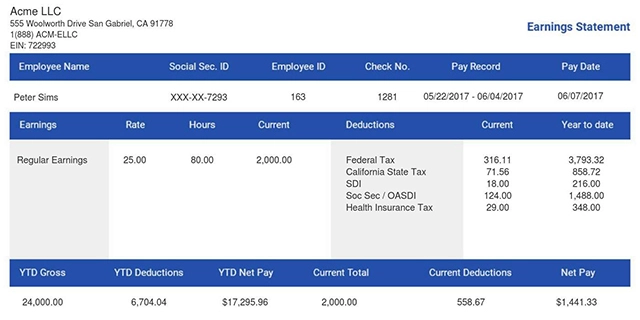
- Q8: What income documents do you require from rental applicants? The norm is 2-3 months of recent pay stubs and a W-2 or 1099 from the prior year. Self-employed renters who can't show employer docs often send bank statements. For renters, see our guide on pay stubs for rental applications before you apply. Learning how to write a proof-of-income letter for apartments also helps when pay stubs aren't available.
Ask if the firm requires renter's insurance as part of the lease agreement. It protects both sides and also cuts disputes over covered losses.
Communication and Reporting Standards
Communication is one of the most missed questions to ask a property management company. It's also a top reason landlords switch firms.
- Q9: How often will you speak with property owners? A 24-hour reply for urgent issues is the bar. Monthly reports should cover occupancy, maintenance, and money. Ask if you'll get online portal access through property management software like AppFolio for self-serve review between reports.
Maintenance and Repairs: Key Questions To Ask
- Q10: Who handles maintenance: in-house staff or outside vendors? In-house work can seem cheap but often hides markups. Ask if the firm adds a 5-15% fee on vendor bills. Strong vendor management saves you real money each year.
- Q11: What is your maintenance approval threshold? Many firms pre-approve repairs below $300 without your okay. Confirm that the line fits you. Major work should need your sign-off. Regular property inspections and a plan for HVAC and plumbing can prevent costly emergencies. Ask how the firm funds a maintenance reserve for large capital improvements, such as a new roof or HVAC unit.
Vacancy Rate and Marketing Strategy
Vacancy rate is a reliable scorecard. It's one of the best questions to ask a property management company when you compare firms. A strong occupancy rate points to smart pricing and good tenant retention.
- Q12: What is your current vacancy rate across your portfolio? A rate below 5% per year points to strong work. Average time-to-rent for an open unit should fall in the 2-4 week range. Higher rates may signal weak ads, steep rents, or poor tenant retention.
- Q13: How do you market vacant properties? Look for firms using many platforms. Zillow, Apartments.com, and local broker networks are the baseline. Yard signs alone leave your unit open longer.
Legal Compliance and Fair Housing
- Q14: How do you stay compliant with Fair Housing laws and local rules? The Fair Housing Act bans bias based on race, color, national origin, religion, sex, family status, and disability. HUD enforces these rules at the federal level. ADA compliance is also key for common areas and unit access. Good firms follow a "first qualified applicant" policy to stay safe. They also follow a clear eviction process that meets state and local law.
For applicants with non-standard income, our guide to proof-of-income options for cash-paid workers helps you get the right documents ready.
Red Flags When Interviewing a Property Management Company
The last questions to ask a property management company are less about facts. They're about how the firm reacts. Clear, specific answers point to a solid operation.
- Q15: What are the most common reasons landlords leave property management companies? A solid firm will answer this in plain terms. Evasion or a defensive tone tells you a lot.
In any interview, watch for these red flags:
- No written, itemized fee list
- No formal eviction policy or a high eviction rate. When tenants fall into rent arrears, a quality firm acts fast within the lease terms
- A reply time longer than 24 hours during your first call
- Can't tell the difference between real and fake pay stubs during income checks
- No sample management agreement before you sign
You Might Also Like
- Best Rent Reporting Services for Landlords and Renters
- Self-Employed? Here's How to Show Proof of Income
- 1099 Pay Stub: Should Independent Contractors Receive a Pay Stub?
- Switched Jobs? How to Request a W-2 From a Previous Employer
- How to Calculate Your Hourly, Weekly, and Monthly Income
Conclusion
The right questions to ask a property management company cut through the sales pitch. They show how the firm really works. Use this checklist to compare firms on fees, screening, vacancy, and communication. Each one shapes your rental income and long-term real estate investment returns.
If you're a renter applying for a managed home, having proof of income ready speeds up approval. Use our paystub generator to make clean, pro pay stubs that meet any firm's income rules. Hiring a property manager is a key step, so choose with care. A smart pick protects your return on investment for years.
- 1. Enter Your Information

- 2. Select Your Favorite Theme

- 3. Download Your Stub!


 By
By