

what does annual compensation mean? A 2026 Guide
 By
By
So what does annual compensation mean, and why does it matter on every loan or rental form? annual compensation is the total value your employer pays you in a year. It is more than just your salary. It includes your base pay, bonuses, and commissions. It also covers the dollar value of benefits like health insurance, 401(k) matching, and paid time off. Lenders, landlords, and recruiters often ask for this full number. Many people leave parts out by mistake. You can track each piece using pay stubs from paystub generator all year, so the figure on your application is right.
2026 Guide to what does annual compensation mean
Key Takeaways
- annual compensation equals base salary plus all variable pay plus the dollar value of all benefits.
- This number is different from the annual salary or fixed base pay that an employee receives for services rendered.
- The value of all Benefits, such as Group Health health insurance, 401(k) Employer Contributions, Paid Time Off (Annual, Sick etc), etc. This can add as much as 30% to 40% to your base salary.
- Lenders, landlords, and employers want to know your total annual compensation for loan applications, renting apartments, and job offers.
- Use your pay stubs throughout the year to track and document every component of your compensation.
what does annual compensation mean?
So what does annual compensation mean in plain terms? annual compensation is the total pay you earn from your employer in a year. It includes your base salary. It also includes bonuses and commissions. And it covers the value of benefits like health care, a 401(k) match, and paid time off.
Here is a quick example. A worker earns $60,000 in salary. The worker also gets a $5,000 bonus. The employer pays $9,000 for qualified health insurance. The worker's total annual compensation is about $74,000.
When someone asks for your annual compensation, they want the full number. They do not want just the base salary. Lenders, landlords, and job offers all use the total figure. In the example above, the worker's total is $74,000, not the $60,000 base.
annual compensation vs. annual salary: Key Differences

To answer what does annual compensation mean compared with salary, start with the simpler term. annual salary equals your fixed base pay from your employment contract. The amount your employer agrees to pay you each year is your base salary. It is usually only raised through a yearly increase. The base salary comes from your regular paychecks. Paychecks may be weekly, biweekly, or monthly.
annual compensation equals fixed compensation plus variable pay plus the value of employee benefits.
Here is the simple way to tell them apart. annual salary is your fixed base pay only. Total compensation is base pay plus extra cash plus the value of benefits. Extra cash includes bonuses, commissions, and profit-sharing. Benefits include health insurance, a 401(k) match, and paid time off.
Two employees can earn the same base pay but very different totals. Say both earn $70,000 in salary. Employee A gets a $5,000 bonus and a 5% 401(k) match. Employee B gets no bonus and no match. Employee A's annual compensation is much higher. The actual cost of pay for the employer is also higher.
The Big Mistake Many people list only the base salary on loan or rental forms. Bonuses and benefits often add up to thousands more. Leaving them off can hurt your chances of approval.
What Is Included in annual compensation?
To answer what does annual compensation mean line by line, look at every part your employer funds. Total compensation is sometimes called total cash compensation or total remuneration. It pulls together every piece of pay and every benefit from your job. The list below shows the parts you should add up.
base salary
The base salary is your fixed pay every year. Most jobs pay it weekly, biweekly, or every two weeks. The base salary is the easiest part of the total to see on a pay stub.
Variable Pay: Bonuses, Commissions, and Equity
Variable pay is the other key part of total pay. It can be a performance bonus or a sales commission. It can also be a signing bonus, profit sharing, or stock options. Variable pay often equals 5% to 10% of your base salary. So a base of $70,000 could mean a total of about $73,500 with a 5% bonus.
Employee benefits and perks
Benefits make up about 32% of total employee compensation in the United States. That share covers all the benefits and perks paid by the employer. A family health plan can cost $8,000 to $12,000 per year in 2026. Other paid benefits add up fast too. A 4% 401(k) match on a $70,000 salary equals $2,800 per year.
Retirement contributions from the employer are often the second biggest item after health care. Many employees are surprised by how much these health benefits are worth. Health insurance employees receive at work can replace a $500 monthly premium on the open market. Knowing the actual cost of these perks helps you compare offers fairly.
How to Calculate Your annual compensation

Once you know what does annual compensation mean as a concept, the next step is putting real numbers behind it. Start with the base salary plus your bonus income for the year. Then add the value of employer-paid health insurance. Add 401(k) matching contributions next. Finally, add the dollar value of paid time off.
A typical $65,000 salary with full benefits often reaches $80,000 to $90,000 per year. That gap shows why the base pay alone misses most of the picture.
Here's a working example:
| Component | Value |
|---|---|
| base salary | $65,000 |
| Annual bonus (8%) | $5,200 |
| Employer 401(k) match (4%) | $2,600 |
| Employer-paid health insurance | $9,600 |
| 15 PTO days | $3,750 |
| Total annual compensation | $86,150 |
If you are self-employed, the math is a bit different. Add up your total gross income from all clients. Then subtract your business expenses. The result is your net self-employment income for the year. Lenders and landlords use this figure to judge if you can repay a loan. It is often called your [[PROOF_OF_INCOME]]. A single [[PAYSTUB]] may not be enough to prove income on its own.
Gross vs. Net annual compensation
Gross is the total pay before taxes. Net is what you take home after taxes.
In the example above, the gross figure is $86,150. That number bundles base salary, bonus, 401(k) match, health insurance, and PTO. The net figure is more like $60,000 to $68,000 for a single person in a moderate tax state. The drop comes from FICA tax at 7.65%, federal and state income tax, 401(k) contributions, and the health premium.
Use gross when you fill out a loan or rental application. Use gross when you compare job offers too. Use net when you plan a personal budget. Net pay is the cash you can spend each month on rent, food, and savings.
Why annual compensation Matters
So what does annual compensation mean for the decisions you make this year? It changes how you size up jobs, loans, and rentals. annual compensation breaks down every dollar your job pays. The full picture covers base pay and total compensation in one figure. [[!011]] Knowing the full number helps you push for a fair loan, lease, or raise. Employers use it too. Small business owners track the actual cost of each hire, which is often 25% to 40% above the salary line.
Use this view to strengthen your loan applications and salary talks. It also helps when you weigh two job offers side by side.
for employees: Loans, Rentals, and Job Negotiations
Lenders look at your full income, not just base pay. Say you earn $86,150 in base salary and $5,000 in yearly bonuses. Your total gross income is $91,150. A mortgage lender counts that full figure in your debt-to-income ratio.
Some workers have a low base salary but solid side income. A self-employed person with steady clients can qualify for a rental home this way. Pay stubs created by ThePayStubs.com can serve as proof of income on the lease.
Job offers also need a full read. The base salary can look great while benefits are thin. Always weigh the entire pay package. Compare health benefits, retirement contributions, and PTO across both offers.
Some states have new pay transparency laws. Employers in California, Colorado, New York, Washington, and Illinois with four or more workers must list salary ranges on job posts. Read the range, the benefits, and the other perks. Then check the range against similar roles in your market.
For Employers and small business Owners
For employers, the true cost of a hire is more than the base salary. Most owners pay their employees a fixed amount in salary, then add benefits and taxes on top. The full cost equals gross pay plus benefits plus payroll taxes plus overhead. A worker earning $60,000 in salary often costs $75,000 to $84,000 per year. Part-time workers usually cost less than full-time employees because they get fewer health benefits.
A regular annual compensation review keeps pay levels fair and on the market. Use the compensation review to compare base salary, bonuses, and benefits with peers. This step matters most when you plan salaries for new hires.
annual compensation on Pay Stubs and Proof of Income
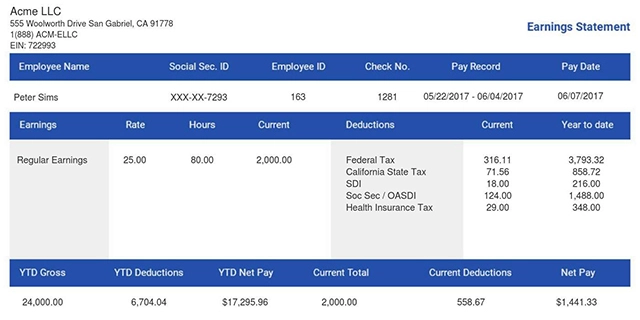
Pay stubs are usually the cleanest way to show, document by document, what does annual compensation mean for a single worker. Each stub lists pay for that period. Add up all the stubs and total compensation for the year is right there. Most loan applications ask for proof of income within a few days, so pay stubs are the fastest answer.
Freelancers and independent contractors lean on pay stubs more than W-2 workers. They use them to qualify for a mortgage, auto loan, or rental. An employee with one steady job will mostly use a W-2 instead. The W-2 reports gross wages and total compensation paid for the year.
If you are a freelancer, you can build a pay stub for your loan in minutes at ThePayStubs.com. Pair your last pay stub for the year with your W-2 Box 1 wages. The lender now has a clear view of your full annual income for the mortgage file.
You Might Also Like
- Gross Monthly Income: What It Is and How to Calculate It
- How to Tell the Difference Between a Real and a Fake Pay Stub
- How to Request a W-2 from a Previous Employer
- Payroll Codes Explained: What the Abbreviations on Your Pay Stub Mean
- What Does a Pay Stub Look Like?
Conclusion
Now that we have walked through what does annual compensation mean from definition to dollar figures, the picture is much clearer. annual compensation is the total value of a job. It covers your base salary. It also covers bonuses and overtime. And it covers the real value of health insurance, your 401(k) match, and paid time off.
Knowing this full number pays off in real ways. It helps you back a stronger loan application. It helps you weigh a new job offer. It also helps you build a real budget.
Confirm your pay and earn more with ThePayStubs.com‘s payroll services, online employee documents, or custom, professional-looking pay stubs using pay stub generator. Find human resource documents, tax documents, or a loan application.
- 1. Enter Your Information

- 2. Select Your Favorite Theme

- 3. Download Your Stub!

 By
By