

Suspended from Work: What It Means & What To Do (2026)
 By
By
Finding out you have been suspended can leave you anxious about your pay, your rights, and what happens next. This guide is for US employees. We explain what being suspended from work means, the main types, your pay rights, and how a paystub generator helps document any income gap.
Key Takeaways
- Suspension means you are removed from work for a short time but remain employed with full rights.
- Most US suspensions happen with full pay during a workplace investigation.
- No federal law caps how long a private employer can suspend you.
- You keep your employment rights, including the right to written notice.
- When you return, check your first paycheck to confirm any missed pay was corrected.
What Does Suspended from Work Mean?
When you are suspended, your employer removes you from your duties for a short time. You remain employed, and your rights stay intact. A suspension is not a temporary dismissal, and you stay on the payroll. It is not a firing, and it does not mean you are guilty of anything. Most suspensions come with full pay during a review. Your employment verification documents and employment rights continue the whole time. In most cases, the step is neutral. It lets your employer run a fair disciplinary procedure without you on site.
Types of Work Suspension

Most suspensions are paid and used only for a review. Knowing how to get suspended comes down to three triggers: misconduct, a policy violation, or a pending criminal matter. There are four main types.
- Suspension with pay: Used while allegations are checked. You keep full pay and benefits. This is the most common type. It covers everything from retail disputes to patient complaints in healthcare.
- Suspension without pay: Reserved for confirmed gross misconduct, such as workplace violence or sexual harassment. It is only allowed if your employment contract or collective bargaining agreement permits it.
- Indefinite suspension: Used when there is reason to believe a crime occurred. It also applies when a federal employee loses access to classified information.
- Administrative leave: The public-sector version of paid suspension. It is common for government employees.
Your company policy and staff handbook spell out the disciplinary action that applies. Sometimes a suspension protects health and safety at the worksite. In other cases, an employer picks alternatives to suspension, such as a temporary transfer.
Suspended Pending Investigation: What to Expect
Your employer should explain the reason and give you a rough timeline. A suspension from work should come with a written suspension letter that lists the cause and the next steps. The process may involve a workplace investigation, a grievance investigation, or a formal disciplinary hearing.
When you are suspended with pay pending investigation, your pay continues unless your contract says otherwise. The review usually takes a few days to a few weeks in the private sector. Federal rules come from the Office of Personnel Management. Federal employees also have extra rights under 5 U.S.C. § 7513. They get at least 24 hours to respond in writing.
Suspension length depends on your HR team and the facts of the case. Start gathering proof of income documents and send written requests to HR for updates.
Will I Get Fired If I'm Suspended from Work?
Here is the key point: being suspended does not mean you will be fired. A common worry hits right away: suspended at work, will I get fired? For most paid suspensions, the answer is no. They usually end with the employee back at work, sometimes with a formal warning on file. Firing gets more likely when the suspension is without pay. The risk also rises when HR finds serious misconduct or when criminal charges appear.
If you believe the action was unfair, you may have grounds to challenge a wrongful suspension. Knowing how to show proof of income during any gap helps you move forward with confidence.
Pay During Suspension: With Pay vs. Without Pay
An employee suspended with pay keeps full compensation and benefits. A common question is this: how long can an employer suspend you without pay? For private-sector workers, there is no federal limit. It depends on your employment contract and the facts. Suspension without pay needs a clear contract clause or confirmed serious misconduct. The Fair Labor Standards Act (FLSA) sets the rules here. It looks at whether you are an exempt employee or a non-exempt employee. An exempt employee can lose pay only for conduct breaches like harassment or workplace violence. Performance issues alone do not qualify.
If you have been searching "I was suspended from work pending investigation," the same pay rules apply to you.
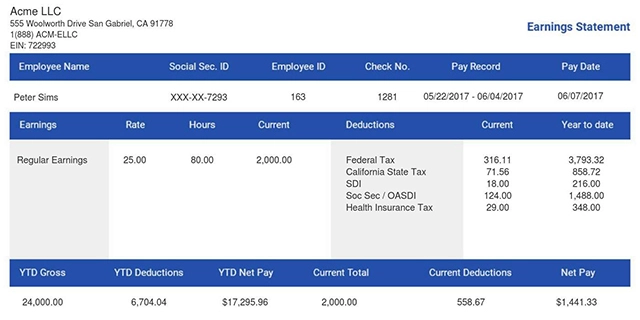
Need to document income during a suspension gap? ThePayStubs.com's pay stub generator lets self-employed workers create professional pay records fast. Independent contractors on gig platforms use it to track 1099 income gaps.
You Might Also Like
- What Is Gross Monthly Income
- W-2 vs 1099: How to File Taxes When You Have Both
- Pay Stubs for Loan Applications
- How to Calculate W-2 Wages From a Pay Stub
- Pay Stubs for Rental Applications
Conclusion
A work suspension is stressful, but it does not have to define your career. Know your rights. Ask for written notice of the reason. Track your proof of income carefully the whole time.
Need professional income documentation after returning from suspension? Use a trusted paystub generator from ThePayStubs.com to create accurate pay records fast.
- 1. Enter Your Information

- 2. Select Your Favorite Theme

- 3. Download Your Stub!

 By
By