

What Is VTO? Voluntary Time off Explained (2026)
 By
By
So, you have been offered time off for the afternoon. Sounds great, but what does it actually mean for your pay, and how will it affect your next pay stub?
What does VTO mean? It stands for voluntary time off, also known as unpaid leave. There's also a similar concept called volunteer time off. That one is paid time off for work done while helping approved non-profits and charities.
Because both terms share the same acronym, it’s easy to get confused. This article explains the VTO meaning for both, explains how each one affects your pay, and how they compare to PTO. We'll also cover what to watch out for when your employer offers volunteer opportunities.
Key Takeaways
- The acronym stands for two different workplace programs. For employers, it means unpaid leave offered during slow periods. For employees, it means paid leave to volunteer with approved non-profits.
- Unpaid leave is initiated by the employer.
- Volunteer time off is a paid leave of absence. You receive your regular wages while volunteering. Those wages appear on your payroll stub for the period.
- Voluntary, paid, or unpaid hours will not use up any of your earned PTO hours.
- Employees can legally decline voluntary time off without penalty.
Table Of Contents
- Key Takeaways
- What Is VTO?
- Voluntary Time Off vs. Volunteer Time Off
- Is VTO Paid?
- VTO vs. PTO: What’s the Difference?
- Benefits for Employees and Employers
- Drawbacks and Risks
- Policy Considerations
- Your Legal Rights Around These Programs
- You Might Also Like
- Conclusion
What Is VTO?
This term describes two different workplace programs. First, voluntary time off (also known as work-sharing or unpaid leave) is unpaid time offered by your employer during slow periods. Second, volunteer time off is paid time for employees to volunteer for an approved 501(c)(3) nonprofit organization during regular work hours.
Unpaid Leave Defined
So, what is VTO at work for most hourly and warehouse workers? The answer is simple. It is unpaid time the employer offers during slow periods. The program lets overstaffed periods get managed without laying off workers. At Amazon, the retail giant offers warehouse staff unpaid time during slow retail periods to reduce labor costs.
This approach shows up across diverse industries. Call centers use it. Retailers like Amazon use it. Manufacturing organizations use it too. For example, a factory might experience equipment failure and put staff on unpaid leave. That keeps costs down rather than laying people off and paying out unemployment. This helps with workforce management when staffing requirements drop.
Volunteer Time Off
Employees also receive paid community service leave. It is also referred to as paid service days. These days allow employees to work for approved 501(c)(3) nonprofit organizations on a scheduled paid workday. During this time, employees are paid for the work they would normally do.
Money can be directed to the charity or nonprofit of their choice for the day. Many companies see this as part of their corporate social responsibility and employer branding efforts.
Voluntary Time Off vs. Volunteer Time Off

Even though these are called by the same name, there are two very different policies here. They have opposite pay structures and different impacts on employee well-being.
The voluntary time off, meaning here, points to the unpaid leave policy. It is initiated by the employer when they are overstaffed. The goal is to reduce staff costs while maintaining the same workload.
Adoption of this kind of program has grown across industries. Employers see it as a flexible lever during slow quarters, and workers see it as a way to maintain a relationship with their job without taking on a full layoff or furlough.
What is voluntary time off as a trend in benefits at work? In 2025, 28% of US companies will offer formal paid community service or volunteer leave (SHRM). Companies want to link giving back to employee retention. So, we can expect more of these programs. This represents a growing focus on employee engagement and community volunteering.
Real examples include:
- Salesforce: 7 paid volunteer days per year.
- Johnson & Johnson: 4 paid volunteer days.
- Rocket: 8 hours annually with any 501(c)(3) organization.
These two options reflect the company's flexibility. The paid volunteer option lets the employee take time off to do charity work for an approved organization while still getting paid. The unpaid option reduces an employee's pay for that period, as if they had taken extra time off.
Is VTO Paid?
Types of pay structures include the unpaid time off for the employer's cost reduction, and paid volunteer time off for the employee's volunteer activities at approved organizations.
Do you get paid for VTO? Unpaid hours are not the same as a regular paid workday and are not recorded the same way as paid volunteer hours. Unpaid hours are not the same as a regular paid workday. They will not use up your PTO balance the way regular PTO would.
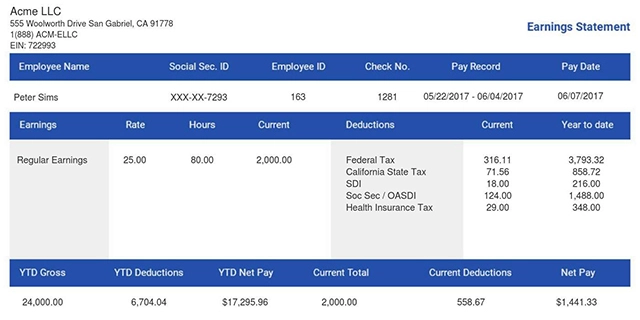
How does this time off affect your pay stubs? Unpaid hours will show on your paycheck stub as unworked hours. For those hours, your gross pay will drop. Hours worked as part of your employer's formal giving back program (paid volunteer time) will appear on your pay stubs as hours worked at 100% of your pay.
For clarity on how your hours are reported, log in to your employer's HR portal or speak with your company's HR department.
VTO vs. PTO: What’s the Difference?
The biggest thing to remember about PTO is that it is paid time off that the employee has earned. It is their time to use for any reason they want. Unlike unpaid voluntary options, PTO is fully paid time off that an employee can take whenever they want.
For a VTO vs PTO comparison, here's a quick table:
| Voluntary (Unpaid) | PTO | |
|---|---|---|
| Who initiates | Employer offers | Employee requests |
| Paid? | No | Yes |
| Affects PTO balance? | No | Yes |
| When used | Slow periods | Employee's choice |
If your work is shut down due to a lack of demand and your employer is offering unpaid hours that you can choose to take, those hours will affect your paycheck for the period. PTO accrual continues separately from unpaid voluntary programs. Understanding your time-off policy and leave policies helps you make informed decisions.
Benefits for Employees and Employers
These programs can be great tools for both sides.
Employees
Employees gain the flexibility to use PTO for a wide range of needs, including vacations, religious observances, mental health breaks, personal business, or family responsibilities. The key benefit is that they can do so without sacrificing their standard vacation days. Use our guide on how to calculate your income to figure out your take-home pay during these periods.
For the Employer
By offering these programs, a company can keep things running smoothly. Idle time in warehouses and call centers decreases. That in turn can boost worker retention. As CECP states, 86% of employees say a company's values and actions matter when choosing whether to work there or stay.
By running a volunteer PTO program, a company shows it values volunteerism. Volunteer participation has increased rapidly, up 12 percentage points since 2020 (CECP 2025). A clear policy in the employee handbook also helps build trust with employees.
Drawbacks and Risks
These programs have real downsides.
For Employees
- Unpaid hours mean lower income for that pay period.
- Repeated offers of unpaid work may signal that a company is in financial trouble.
- Inconsistent hours affect projected yearly income. This can feel similar to partial unemployment.
For Employers
- Overusing unpaid hours can make the company look like it's struggling. That can hurt workforce trust and retention.
- Workers feeling pressured to take part creates workforce relations risk.
- Poor planning and weak staffing forecasts during volunteer hours can create scheduling problems.
Be flexible with the programs you choose to apply. Make sure your employees know the situations in which you will use them.
Policy Considerations
The next step after deciding to grant these programs is to write out your policy. Several factors matter, and you should take them all seriously. Some of the key things to include are:
- Who is eligible: All employees, full-time, part-time, or temporary staff?
- How many hours per year or per quarter?
- For volunteer service: Which non-profit organizations (i.e., 501(c)(3)) will be approved?
- How are the requests submitted and approved?
- What determines priority: Seniority or first-come, first-served?
- How are the hours coded and tracked in your payroll records?
Make sure you record the rules in your written policy. Then train your managers to apply them consistently. The worst thing for a company is to have to defend claims of favoritism.
Your Legal Rights Around These Programs
Even if an employee agrees to take unpaid time off, it is very important that the employee be informed of several things before agreeing.
These hours must be voluntary. If workers are forced to take part, that time off counts as another type, such as a furlough. It could trigger a WARN Act rule from the Department of Labor when there are 100 or more workers. Volunteer work done by staff for certain for-profit and non-profit groups can still be logged as these hours.
However, if such work is required by an employer, it could be seen as a different type of time off. That breaks the laws noted above.
Reporting Time Pay Rules
Many states require that workers who show up for work and are sent home early must be paid for the hours they showed up. This includes Massachusetts, New York, and others. Even if an employer calls those hours "Volunteer hours" or "Karma hours," it is not allowed. One employer in California tried it recently and got pushback.
Salaried Employees and Exempt Status
Salaried staff are protected under FLSA if they are exempt from overtime. However, if they take partial days off without pay, it may affect their exempt employee status. So, most employers limit the amount they offer to full days only.
After an employee takes time off, the hours must be recorded on their paystubs per pay stub accuracy rules. Most salaried staff become non-exempt if given partial days of paid time off.
You Might Also Like
- Walmart Paystub: How to Access Your Pay Information
- How to Change Your Direct Deposit Information with the IRS
- How to Read a W-2 Like a Pro
- How to Request a W-2 From a Previous Employer
- 1099 Pay Stub: Should Independent Contractors Receive a Pay Stub?
Conclusion
These programs can be powerful tools in business when both the employer and the employee know how they work. When both sides know their rights, they can decide whether taking the time will cost money on the paycheck. Employers should also have a clear policy they enforce to avoid mixing up these programs with other time off and to avoid 501(c)(3) claims.
Remember to pay employees for all the hours worked during flexible periods. Our pay stub generator will help you prepare accurate pay stubs for employees or yourself for each pay period.
- 1. Enter Your Information

- 2. Select Your Favorite Theme

- 3. Download Your Stub!


 By
By

 By
By