

Balance of Net Pay Meaning: A Simple 2026 Guide
 By
By
Your pay stub is full of terms that sound confusing. One of them is balance of net pay. You may have seen it on a direct deposit account form at work. The good news is that the balance of net pay meaning is simple. It is just the money left in your paycheck after all deductions come out. That leftover amount goes into your main bank account. This guide breaks down the balance of net pay meaning in plain words. You will learn what it is, how it works, and where to find it.
Key Takeaways
- The balance of net pay meaning is just another name for your take-home pay.
- It is the money that lands in your account after taxes and other deductions.
- The net pay formula is simple. Gross pay minus all deductions equals net pay.
- On a direct deposit form, balance of net pay is the account that gets whatever is left.
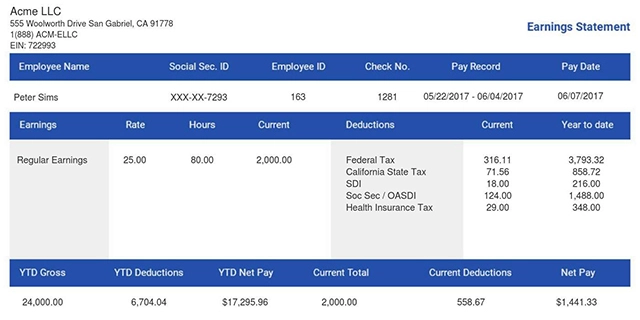
- You can find it as the last line on your pay stub. It is often labeled net pay or net earnings.
What Is the Balance of Net Pay Meaning?
Let us start with the basics. Your employer begins with your gross pay. Then they take out taxes and other items. What is left is your net pay. That final amount is your balance of net pay.
So what is net pay? It is your take-home pay for the period. Some people call this their net balance. It is the real amount you can spend. The take-home pay meaning is the same as the balance of net pay meaning. Both point to the money you actually keep.
Here is a quick example. Say you earn 20 dollars an hour. You work 80 hours in a two-week pay period. That gives you 1,600 dollars in gross pay. After deductions, you take home about 1,210 dollars. That 1,210 dollars is your net pay. It is the amount that hits your bank on payday.
Gross Pay vs Net Pay

To get the balance of net pay meaning, you need to know two terms. These are gross pay and net pay. The gross pay vs net pay gap is just the deductions.
Gross pay is your full pay before anything comes out. Net pay is what is left after deductions. Think of gross pay as the top number. Net pay is the bottom number on your employee paycheck.
Here is how to calculate net pay. Start with gross pay. Then take out each deduction. The net pay formula looks like this:
- Gross pay minus taxes
- Minus pre-tax deductions
- Minus post-tax deductions
- Equals your net pay
These are the main items taken from your gross pay:
- Federal income tax: This is based on your Form W-4 and IRS tax brackets.
- State income tax: Most states take a cut too. A few do not.
- Social Security: The Social Security tax rate is 6.2% of wages. It applies up to 184,500 dollars in 2026.
- Medicare: The Medicare tax rate is 1.45% of all wages.
- Health insurance: Your share of the premium often comes out pre-tax.
- Retirement contributions: Money for a 401(k) lowers your taxable income.
- HSA and FSA: Funds for an HSA and FSA also come out before tax.
- Wage garnishments: A court can order money taken for debts.
Some of these are pre-tax deductions. Others are post-tax deductions or voluntary deductions. Each one is a form of withholding. Together, these payroll deductions explain the gap in gross pay vs net pay.
If your check looks smaller than you expected, do not panic. The most common cause is a new Form W-4. A change to your benefits can do it too. We made a guide to your paycheck codes so you can read your checks with ease.
Balance of Net Pay Meaning on a Direct Deposit Form
The balance of net pay matters most when you set up direct deposit. Many people split their pay across multiple bank accounts. Here is how that works.
Say you want 200 dollars to go to savings each pay period. You set that as a fixed amount. The rest goes to your checking account. That checking account is your balance of net pay account.
On your direct deposit account form, the last row is often labeled "balance of net pay" or "remaining." Payroll systems like ADP and Workday use this setup. The word remaining means the same thing. It is the money left after all fixed transfers.
This amount can change each pay period. It moves up or down with your gross pay. If you run payroll for a small business, set the last row to remaining. That way each worker gets the rest of their pay with no extra math.
Tip: Sometimes your bank posts the amount a day or two early. Make sure it is real before payday. Watch out for anyone who tries to pass off a fake pay stub.
Need a clean record of your own pay? You can create a pay stub in minutes with ThePayStubs.com. It does the math for you. It also shows your net pay on the last line.
Why Your Net Pay Matters for Budgeting

Your balance of net pay is the number to build your budget around. It is your real spendable pay. Knowing it helps with financial planning. You can plan rent, bills, and savings around it.
It also helps to define account balance in this setup. To define account balance in plain terms, it is the money sitting in an account at a given time. Your balance of net pay is what raises that account balance on payday.
The same idea sits behind your balance of net pay. It is the money you keep after the work is done. Track it each period and your paycheck will hold no surprises.
You Might Also Like
- How to Change Your Direct Deposit Information With the IRS
- Paycheck Stubs: What They Are and Why They Matter
- Pay Stubs for Loan Applications
- What Does ER Health Mean on a Pay Stub?
- Social Security on Your Pay Stub Explained
Conclusion
The balance of net pay meaning is not complicated. It is simply your pay after all deductions come out. That leftover amount is your net pay, also called take-home pay. On a direct deposit form, it is the account that gets the rest. On your pay stub, it is the last line. Once you know how to read it, your paycheck makes a lot more sense.
- 1. Enter Your Information

- 2. Select Your Favorite Theme

- 3. Download Your Stub!

 By
By