


What To Do if Tenant Damages Property (2026)
 By
By
Knowing what to do if tenant damages property can save you thousands of dollars and weeks of stress. Damage may range from punched walls and flooded floors to burned carpets and missing fixtures. Each case has a real cost.
Most states hold tenants responsible for harm beyond normal wear and tear. But you have to document the loss, follow the right process with security deposits, and know when to escalate. If you also pay repair contractors, keep their records with a reliable paystub generator. This guide walks through every step.
Key Takeaways
- Document rental property damage immediately with date-stamped photos and video before any repairs begin.
- Send an itemized deduction list within your state's deadline, often 14 to 30 days after the lease ends.
- File a police report when a tenant destroys property on purpose or steals items from the unit.
- Small-claims court limits range from $2,500 to $25,000 by state in 2026.
- Inspect every 3 to 6 months to catch issues before they grow into costly repairs.
- Key Takeaways
- What Counts as Tenant Damage to Your Rental Property?
- What To Do if Tenant Damages Property: Document First
- How To Use Security Deposits When a Tenant Destroys Property
- Your Legal Options When Rental Property Damage Exceeds the Deposit
- State Spotlight: When Tenant Destroys Property Under ORC 5321
- What To Do if Tenant Damages Property Based on Your Situation
- How To Prevent Rental Property Damage in the Future
- You Might Also Like
- Conclusion
What Counts as Tenant Damage to Your Rental Property?
Tenant damage is any harm beyond normal wear and tear caused by neglect, misuse, or intent. Common cases include large holes in walls, broken windows, burned or stained floors, pet damage, and changes you did not approve. Light scuffs, small nail holes, or faded paint are considered ordinary wear and fall under the landlord's maintenance obligations.
Knowing this line matters. It tells you what you can deduct. Slow carpet wear after years of use? That is a landlord cost. Coffee stains in every room? That is tenant damage.
Normal Wear and Tear (Landlord’s Responsibility)
- Faded paint from the sun
- Minor carpet wear in busy areas
- Small nail holes from picture hooks
- Light scratches on counters from daily use
Tenant Damage (Tenant’s Responsibility)
- Large holes or gouges in walls
- Broken doors, windows, or light fixtures
- Heavy carpet stains or burns
- Pet damage to floors, baseboards, or walls
- Unapproved paint colors or structural changes
A simple test is to determine if it would happen during reasonable, daily use. If not, it is tenant damage.
What To Do if Tenant Damages Property: Document First

Before any cleanup or repair starts, document everything. The proof you collect now sets how much you recover later.
1. Record a Video Walk-Through
Walk the unit and narrate each issue. For example: "Living room wall, hole about 12 inches across near the window." Spoken proof with video holds up well in court.
2. Take Many Photos
Get close-up and wide shots of each wall, floor, appliance, and fixture. Your phone adds the date, time, and GPS to each photo. Upload to Google Drive or iCloud right away so the timestamps stay clean.
3. Build a Written Trail
Email the photos to yourself the same day. That creates a timestamp that is hard to dispute. Send a written notice to the tenant by certified mail and email at the same time, so the date you told them is on record.
4. Compare to Your Move-in Photos
Side-by-side shots are among the strongest evidence in small claims court. If you skipped a move-in inspection, start the habit on every future lease. Landlords who also collect proof of income documentation at signing build a stronger picture of each tenant from day one.
How To Use Security Deposits When a Tenant Destroys Property
Security deposits are your first source of recovery. When you plan what to do if tenant damages property, this is where most landlords start. You can deduct repair costs from the deposit, but make sure you follow the proper steps. You may lose the right to deduct anything if you skip them.
- Make an itemized list. Note each damaged item and its repair cost, and attach contractor quotes or receipts. "Replace carpet, living room: $750" works. "Miscellaneous damage: $750" does not. When tenants apply, reviewing their pay stubs for rental applications up front sets a clear bar from day one.
- Know your state's deadline. Most states want the itemized list within 14 to 30 days of lease end. You may forfeit your deduction in many states if you miss that window. Check your state at Nolo's landlord-tenant law directory.
- Return any leftover balance. If the deposit exceeds the repair cost, return the excess with the itemized list. Holding the full deposit when the damage is partial often leads to counterclaims in court.
- Put it all in writing. Send by email and certified mail. Keep copies for your file.
Your Legal Options When Rental Property Damage Exceeds the Deposit

Part of knowing what to do if tenant damages property beyond the deposit is picking the right legal path. You have three main options. They include:
File a Police Report First
Many landlords skip this step, whereas they shouldn't. If a tenant destroys property on purpose or steals items, call the local police first. You will need the report for an insurance claim and as proof in court. Filing your employment verification documents and contractor payment records with the damage proof strengthens your case. Police may call it a civil matter, but the report still helps.
File an Insurance Claim
Read your landlord's insurance policy. Some plans cover accidental tenant damage. Most do not cover intentional harm without a police report on file. When you run the math, you'll discover that a claim can raise your future premiums. If the damage is close to your deductible, paying out of pocket may cost less in the long run.
Take Them to Small Claims Court
Small claims court is well-suited for this kind of case, and you do not need an attorney. In 2026, state limits range from $2,500 in Kentucky to $25,000 in Tennessee. Most states sit between $7,500 and $15,000. Bring photos, your itemized repair list, contractor invoices, move-in shots, and a copy of the signed lease.
For damage above the small claims cap, file a civil suit in municipal or common pleas court. You will likely need an attorney for that route. Use your state bar website or local bar association lawyer-referral service to find a landlord-tenant attorney who knows your state's rules.
State Spotlight: When Tenant Destroys Property Under ORC 5321
State law sets the rules for what to do if tenant damages property. Ohio is a useful example. Under ORC 5321, landlords and tenants each have set duties. ORC 5321 landlords must keep the unit in a fit and safe state. Tenants must keep the unit clean and avoid harm beyond normal wear. When a tenant destroys property in Ohio, the landlord can sue for repair costs after sending an itemized list within 30 days of move-out.
Most states follow a similar pattern. Check your local statute for exact deadlines, deposit caps, and notice rules.
What To Do if Tenant Damages Property Based on Your Situation
The right move depends on when you find the damage.
- Tenant is still in the unit. Document immediately and notify the tenant in writing. You can request direct payment for repairs or have the amount deducted from the deposit at move-out. If the damage is severe or ongoing, check your state's landlord-tenant law for lease termination grounds.
- Tenant just moved out. Time is short, so ensure you send the itemized deposit statement before your state's deadline. Get repair quotes right away and book the work to limit lost rent. If unpaid rent is in arrears on top of damage costs, total it all and document it together.
- Tenant left the unit or went silent. File a police report, call your insurer, and file in small claims court. You can often win without the tenant in court if your proof is strong. For tenants on a month-to-month lease, abandonment is more common. Note the lease type in your filings.
- Cash for keys. If a hard tenant will not leave, paying them to go can cost less than eviction. A lump sum to vacate can beat legal fees, court costs, and vacant months combined. Run the numbers before you pick the legal route.
How To Prevent Rental Property Damage in the Future
- Screen tenants with care. Examine credit and rental history, call at least one prior landlord, and ask each applicant for a proof of income letter for apartments to confirm they can pay the rent.
- Run a move-in inspection every lease. Use a signed checklist with photos. This stops fights about what was already there.
- Inspect on a schedule. Visit every 3 to 6 months with proper written notice (24 to 48 hours in most states). Early visits catch slow leaks and pet damage before they grow.
- Require renters' insurance. In 2026, more landlords add this as a lease term and ask for proof at signing. A tenant's policy can cover accidental damage and ease the load on yours.
You Might Also Like
- How to Show Proof of Income When Self-Employed
- 6 Situations When You'll Need a Pay Stub as Proof of Income
- Best Rent Reporting Services for Landlords and Tenants
- What to Do With a Previous Tenant's Mail
- Do Banks Verify Pay Stubs?
Conclusion
Knowing what to do if tenant damages property comes down to a clear order. Document first, use the deposit the right way, then pursue legal options if needed. Landlords who act fast and build solid records recover far more than those who skip the process. The security deposit is your first financial tool. Small claims court is your second. Handle both with care, and you have a strong case before a judge ever sees it.
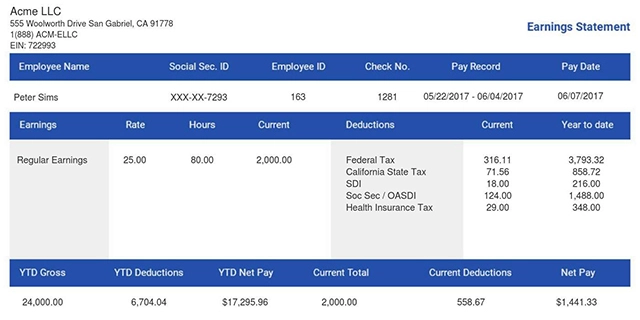
The answer to what to do if tenant damages property always comes back to good records. They keep you safe in court and at tax time. From repair contractor pay stubs to receipts, that paperwork backs you up. Use our paystub generator to make accurate, professional pay stubs for your team.
- 1. Enter Your Information

- 2. Select Your Favorite Theme

- 3. Download Your Stub!


 By
By