Voluntary Benefits: Types, Tax Rules and Examples (2026)
 By
Look at your last pay stub. You might see short lines like "VOL LIFE," "DENT," or "ACC INS." Those are voluntary benefits, and you chose them when you signed up for coverage. Many workers forget they did. Small business owners often ask if they can offer the same perks without a big bill. This guide covers what they are, the main types, how they're taxed, and how to set up a plan.
Key Takeaways
- These perks are offered by an employer but usually paid by the employee.
- Payroll deductions at group rates make them cheaper than most solo plans.
- Some deductions are pre-tax under a cafeteria plan; others come out after tax.
- Employers can offer a plan for little cost beyond setup and payroll work.
What Are Voluntary Benefits?
Voluntary benefits are extra perks and insurance products your employer offers but you pay for, fully or in part, through payroll deductions. Because the employer buys as a group, you get group rates that are often lower than buying alone. Common picks include dental, vision, life, accident, and pet insurance.
You may also hear them called supplemental or voluntary worksite benefits. They sit on top of core offerings like health insurance and a 401(k). Your employer usually helps pay for those. Mandatory benefits are different again. The law requires them, like Social Security and unemployment insurance. With voluntary employee benefits, you pick what to buy. You can also skip them all.
Types of Voluntary Benefits and Examples

Employers can pick from a wide range of options. Most fall into four groups:
| Group | Common examples | Who usually pays |
|---|---|---|
| Insurance protection | Life insurance, accident insurance, critical illness insurance, hospital indemnity, disability insurance | Employee |
| Health add-ons | Dental, vision insurance, telehealth, mental health support | Employee, sometimes shared |
| Financial | Identity theft protection, legal plans, money coaching, student loan help | Employee |
| Lifestyle and workplace perks | Pet insurance, gym deals, commuter perks, child care help | Employee or employer |
Voluntary benefits insurance is the biggest group. A critical illness policy pays you a lump sum if you get a covered illness, like cancer. Hospital indemnity pays a set amount for each day you stay in the hospital. You can spend that cash on rent, gas, or bills.
A dental add-on is one of the most common voluntary benefits examples. It can cover crowns, dentures, or more cleanings than a basic plan allows. Some voluntary benefits at work are simple perks, like gym or shopping discounts. Others are full insurance plans.
Are Voluntary Benefits Pre-Tax?
Some are and some aren't. Dental, vision, and supplemental health premiums can come out pre-tax through a Section 125 cafeteria plan, which lowers your taxable pay. So can health FSA and HSA contributions. Pet insurance, legal plans, and identity theft protection come out after tax when you pay for them. Disability coverage is often after-tax by choice.
| Benefit | Usual tax treatment | 2026 note |
|---|---|---|
| Dental, vision, supplemental health | Pre-tax if in a cafeteria plan | None |
| Health FSA | Pre-tax | $3,400 limit |
| HSA | Pre-tax through payroll | $4,400 self-only, $8,750 family |
| Group-term life | Pre-tax up to $50,000 of coverage | Extra coverage can add taxable pay |
| Disability | Often after-tax | After-tax premiums keep payouts tax-free |
| Pet, legal, identity theft | After-tax | Not a qualified benefit |
You'll find the rules for each one in IRS Publication 15-B.
How Voluntary Benefits Show Up on a Pay Stub
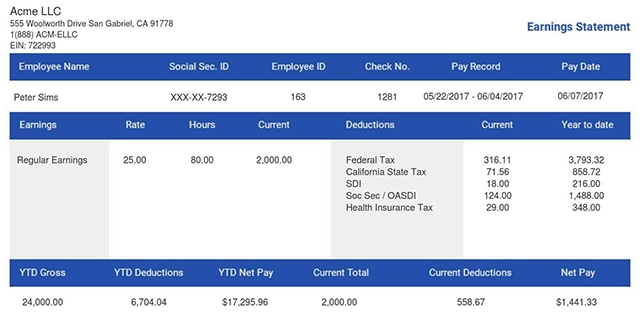
Pre-tax deductions come out of gross pay before income tax is figured. After-tax deductions come out at the end. Both lower your net pay.
That matters when you apply for a loan or an apartment. A landlord sees a smaller take-home amount, so your stub should show gross pay and each deduction clearly. Need clean records like that? Our pay stub templates label every line.
Pros and Cons of Voluntary Benefits for Employees

Here's how these plans stack up against buying coverage on your own.
Pros
- Lower prices than most solo plans
- Coverage you pick for your stage of life
- Easy payment out of each paycheck
- Some plans skip health questions when you sign up
Cons
- The cost comes out of your take-home pay
- You may pay for coverage you never use
- Not every plan goes with you when you change jobs
- Rules on past health issues can limit payouts
For employers, the upside is a stronger benefits package at little direct cost. The downside is the time it takes to pick carriers and run sign-ups.
Are Voluntary Benefits Worth It?
Before you sign up, check four things:
- Compare the price to the same plan bought alone.
- Make sure it doesn't repeat what your health plan already covers.
- Ask if you can keep it if you leave.
- Read what it leaves out.
Strong employee voluntary benefits fill a real gap. Weak ones just add a line to your stub.
How to Set Up a Voluntary Benefits Plan
A small business can launch one in five steps:
- Survey your team. Find out which perks they'd buy. A young crew may want pet coverage. Parents may want life insurance.
- Work with a broker or carrier. Some carriers have no minimum group size. Others want a few workers to enroll first.
- Decide on pre-tax options. Pre-tax deductions need a written cafeteria plan. Skipping it is a common mistake.
- Set up payroll codes. Give each deduction a clear label, using standard pay stub deduction codes so workers can read their stubs.
- Explain the choices. Hold sign-ups during open enrollment, and repeat the basics often.
Contractors usually can't join, since they aren't on payroll. Review your voluntary benefits program each year. Drop the options nobody uses.
You Might Also Like
- How to Calculate W-2 Wages From a Pay Stub
- Proof of Income Documents: 6 Times You'll Need a Pay Stub
- Payroll vs. Compensation: What's the Difference?
- What Does a Benefits Administrator Do?
- Do Part-Time Employees Get Benefits?
Conclusion
These benefits let workers buy coverage at group rates. They also let employers offer more at little cost. Know which deductions are pre-tax, and read every line on your stub. Need accurate pay records for your team or yourself? Use our paystub generator to create clear pay stubs in minutes.
- 1. Enter Your Information

- 2. Select Your Favorite Theme

- 3. Download Your Stub!

 By