

Tenant Not Paying Rent and Won’t Leave: What To Do (2026)
 By
By
When a tenant not paying rent and won't leave, most landlords feel stuck. You screened your tenant, signed the lease, and held up your end of the deal. Now you have a missed rent payment, calls go unanswered, and the clock is running.
For small business landlords, this hurts cash flow. It can put mortgage payments at risk. For individual property owners, it can feel like there is no clear way forward. A pay stub generator used during tenant screening prevents most of these cases.
This guide covers what to do when you are already in one. You will learn why tenants stay, what legal steps to take, and how to collect unpaid rent.
Key Takeaways
- A pay-or-quit notice is the required first step before you file for eviction.
- Self-help evictions, like changing locks or cutting off utilities, are illegal in most states.
- A cash-for-keys agreement can fix the issue faster than a court ruling.
- Taking a partial rent payment during eviction can reset your timeline by law.
- Requesting pay stubs and verifying rental income before signing a lease prevents most issues.
- Why Is a Tenant Not Paying Rent and Won't Leave?
- Is Your Tenant Not Paying Rent? Confirm the Situation First
- What Landlords Can't Do When a Tenant Not Paying Rent and Won't Leave
- How To Serve a Pay-or-Quit Notice
- How To File for Eviction When a Tenant Not Paying Rent and Won't Leave
- After the Ruling: Writ of Possession and the Sheriff
- Cash-for-Keys: A Faster Way Than Court
- How To Collect Unpaid Rent After Eviction
- Preventing the Problem: Better Tenant Screening
- You Might Also Like
- Conclusion
Why Is a Tenant Not Paying Rent and Won't Leave?
A tenant not paying rent and won't leave usually falls into one of four groups.
- They are in money trouble with no other place to go.
- They are fighting the eviction as unfair.
- They are upset and won't budge.
- They are stalling on purpose.
Knowing the cause helps you pick the fastest fix. That fix may be a talk, a cash-for-keys agreement, or formal eviction proceedings. Each cause needs a different plan. Money trouble may respond to a talk about a move-out date. A tenant who fights the eviction as unjust needs a lawyer to weigh in.
A tenant who is upset often agrees once they get a written notice. When a tenant refuses to leave on purpose, you must move through the eviction process fast. This stops further losses.
Is Your Tenant Not Paying Rent? Confirm the Situation First
Before you serve any notice, make sure the rent is truly overdue. Check your bank for a late ACH transfer. Read your lease agreement for a grace period. Many leases allow 3 to 5 days past the due date. Some state laws require this window even if the lease does not. A late fee does not apply until the grace period is over.
Once you know the rent is late, send a written late-rent notice by email or text. Save the exchange. This is not legally required in most states, but it builds a clean paper trail. If you manage many units in software like AppFolio or Buildium, check the payment status in your system before you act.
What Landlords Can't Do When a Tenant Not Paying Rent and Won't Leave

This is stressful. Still, every shortcut landlords reach for is illegal under landlord-tenant law.
- You cannot change the locks.
- You cannot remove the tenant's stuff.
- You cannot shut off utilities.
- You cannot cut back on repairs to push the tenant out.
These are all forms of self-help eviction. Most states call these acts constructive eviction. The tenant can sue you for damages, even if they have not paid rent in months.
Only a court order can allow physical removal. Until a writ of possession is issued, the tenant has the right to stay in the rental property. Track all your repair work during the eviction process. Courts look poorly on landlords who cut services during an active case.
How To Serve a Pay-or-Quit Notice
A pay-or-quit notice tells the tenant to pay overdue rent or vacate the property within a state-set window. This is typically 3 days in California, Texas, and Florida. It is 14 days in New York and 7 judicial days in Nevada. Send it by certified mail and email at the same time. Keep proof of both for your court records. Some landlords also call this an eviction notice in casual use.
The notice must list three things.
- The exact overdue amount, with any late fee.
- The deadline to pay or vacate.
- What happens if the tenant does not comply.
Sending by certified mail and email simultaneously provides double proof. Courts now often accept this as valid service. For a full list of state notice periods, Nolo.com has good state-by-state guidance.
If your state needs formal service by a licensed process server, plan for that cost before you file. Using a process server cuts the risk that the tenant later claims they never got the notice.
How To File for Eviction When a Tenant Not Paying Rent and Won't Leave

If the notice period ends with no payment and no move-out, file an unlawful detainer action at your local housing court. Bring the signed lease agreement, a full rent payment history, a copy of the pay-or-quit notice, and all written notes with the tenant.
In 2026, most US courts have cleared their post-pandemic eviction backlogs. Landlords can expect court hearings within 2 to 4 weeks of filing in most areas. This is a big gain over the 2021 and 2022 delays.
Here is a real phased timeline for the eviction process:
- Notice period: 3 to 14 days (state-dependent)
- Wait for tenant response: 3 to 7 days
- Court filing to hearing date: 1 to 3 weeks
- Hearing to judgment: 1 to 2 weeks
- Writ enforcement by sheriff: 3 to 7 days
Typical total: 4 to 8 weeks. If the tenant appeals, the case can stretch to 3 to 4 months. At the court hearing, if the tenant does not show up, a default judgment usually goes to the landlord. If the tenant fights the eviction, hire a lawyer. The legal fees are far less than the cost of losing a contested case.
After the Ruling: Writ of Possession and the Sheriff
A court win does not automatically remove a tenant not paying rent and won't leave your property. After the ruling, ask the court for a writ of possession. Some states refer to this as an order of possession or a writ of restitution. This legal document allows the sheriff to remove the tenant and their belongings from the property.
Call your local sheriff's office to set up the removal. The sheriff will first give the tenant a final notice window. Do not try to remove the tenant on your own at this stage, even with the court order in hand. Let law enforcement handle the removal. Document the whole thing.
Cash-for-Keys: A Faster Way Than Court
A cash-for-keys agreement is a written deal. You offer the tenant a set sum to vacate the property by a specific date. When stalling has dragged the case on, this can fix the issue in days, not weeks.
Use cash for keys when the eviction delays a new tenant's move-in, legal fees are piling up, or the property needs repairs first.
Typical offers run from one week's rent to one month's rent based on urgency. Both sides must sign the agreement. Add the exact vacate date, the required property condition, and a clause that says, "The tenant waives all future claims".
A lawyer can draft this for $100 to $300. That cost is worth the legal cover. Two months of lost rent plus legal fees often cost more than a one-month cash-for-keys offer. The agreement should also note how the security deposit will be handled, so both sides know where they stand.
How To Collect Unpaid Rent After Eviction
Finishing the eviction removes the tenant. It does not get back the unpaid rent. You will need to file a separate action in small claims or civil court to collect unpaid rent.
A win can lead to wage garnishment or bank account levies. Recovery still depends on the tenant's funds. Many landlords work with a debt collection agency on a no-win-no-fee basis. That means no upfront cost.
Expert warning: Never take a partial rent payment once eviction is in motion. Taking even $50 can restart your eviction clock in many states. That gives the tenant another full rental period before you can re-file. If you do take any payment, ask a lawyer first. Get a written reservation-of-rights agreement before you collect a cent.
Keep all records. This includes your rent ledger, payment history, written notes, and any income verification documents from the first rental application. Hold them for at least three years. When you review those papers, always verify pay stubs are genuine. Fake papers given during screening can also support legal action against the tenant.
Preventing the Problem: Better Tenant Screening
The best way to handle a tenant not paying rent and won't leave is to stop the case before it starts.
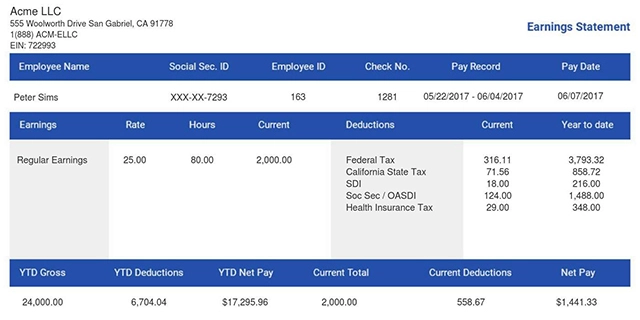
Ask for three months of recent pay stubs with every rental application. Pay stubs prove income and show if the applicant's gross income meets your bar. The standard rule is 2.5 to 3 times the monthly rent. Workers applying for rentals can make professional pay stubs for rental applications that landlords can review quickly. For workers paid in cash, more steps are needed to show proof of income if paid in cash.
For landlords, pay stub records protect your rental income from applicants who cannot pay the rent. For renters, clean, professional pay stubs show you are responsible. They make your application stronger.
Add a credit check, rental history check, and personal references to your screening. Collect a security deposit at lease signing for added safety. A lease agreement with clear rent due dates, grace periods, late fees, and eviction terms cuts the risk of disputes. Property management software with auto payment reminders also helps stop late rent before it turns into nonpayment.
You Might Also Like
- Best Rent Reporting Services
- How to Show Proof of Income as a Self-Employed Worker
- How to Get a Pay Stub From Direct Deposit
- How to Read a W-2 Like a Pro
- Understanding Payroll Codes
Conclusion
Dealing with a tenant not paying rent and won't leave is one of the worst situations a landlord can face. But the legal process works. Serve proper notice. Avoid self-help tactics. Use a cash-for-keys agreement when speed matters. These steps protect your property and your legal standing.
The best defense is strict screening before you hand over the keys. Ask for pay stubs. Verify income. Confirm the rental income covers the rent. These steps stop most nonpaying tenant problems before they start. A paystub generator helps landlords collect income records for tenant screening. It also gives renters a pro application file.
- 1. Enter Your Information

- 2. Select Your Favorite Theme

- 3. Download Your Stub!


 By
By