

What Is Unlimited PTO? Pros, Cons, and How It Works (2026)
 By
By
Netflix rolled out unlimited paid time off back in 2003. Since then, the policy has spread from startups to big firms. Glassdoor found that employee reviews mentioning unlimited PTO jumped 75% after the pandemic, and that trend holds in 2026. But what is unlimited PTO, exactly? This guide explains what is unlimited PTO, how it works, and the real pros and cons for both workers and employers. If you need income proof along the way, our paystub generator can help.
Key Takeaways
- Unlimited PTO lets workers take as many days off as they need, with no yearly limit.
- Managers still approve each request, just like a traditional PTO policy.
- SHRM data shows unlimited PTO users take about 16 days a year, close to the 14-day average.
- Employers gain by cutting accrued vacation payout liability from their books.
- Success rests almost fully on company culture and how leaders act.
What Is Unlimited PTO?
What is unlimited PTO at its core? It is a paid time off policy with no set yearly limit. Workers ask for days off as they need them, and managers say yes or no. There is no PTO accrual bank to draw from. It covers vacation and personal time. Sick leave and any floating holiday may sit under a separate rule. It applies almost only to salaried, exempt staff.
You may also hear it called flexible time off (FTO) or discretionary PTO. A traditional vacation policy hands you a fixed number of days. This one does not. So what does unlimited PTO mean day to day? It moves the focus from counting days to trusting results. You get your work done, and time off follows from that.
How Does Unlimited PTO Work in Practice?

To take time off, send a request through an HR system or to your manager with a coverage plan. Manager approval is required for every request. Managers weigh your workload, deadlines, and team coverage. A strong request sounds like this: "I finished Project X. I'd like these dates off, and a teammate will cover for me." Approval is not a given.
Your manager can deny time off requests for many reasons. Lack of coverage, tight deadlines, or too many requests at once all count. Most firms still log informal use so FMLA-qualifying leave is marked right. Unlimited PTO does not erase that federal duty. Ask your HR department which tool the company uses to manage time off requests.
Benefits of Unlimited PTO for Employees
A well-run unlimited PTO policy gives workers real benefits:
- Work-life balance: Take time off when you truly need it, not when your balance finally allows it.
- No December rush: You won't scramble to use up your "use it or lose it" days at year-end.
- Less employee burnout: Rested workers come back sharper. Rest protects both output and mental health.
- Sick days without guilt: Call in sick without watching a sick day balance drop.
- Job satisfaction: Control over your own schedule builds trust, and trust drives retention.
Whenever you need to get a pay stub for a loan, a rental, or your own records, our guides walk you through each employer system.
Benefits of Unlimited PTO for Employers

Employers adopt unlimited PTO for more than worker morale. A paystub portal for businesses helps manage pay records without manual accrual tracking.
- A recruiting tool: The policy draws Millennials and Gen Z, who value flexibility. Firms like Netflix, LinkedIn, HubSpot, and GitHub use it as a hiring edge. It gives talent acquisition teams a clear selling point.
- No accrued vacation liability: Under a traditional plan, unused days turn into a cost when staff leave. Unlimited PTO removes that. There are no accrued vacation days to pay out.
- Less payroll administration: No accruals to track, no year-end math, no rollover fixes. The HR department wins back real time.
- A results-based culture: Judging output over hours tends to lift engagement and productivity.
Challenges and Drawbacks of Unlimited PTO
Unlimited PTO has clear pitfalls too. Looking at what is unlimited PTO on paper versus in practice shows the gaps.
Workers often take less time off, not more. SHRM data shows unlimited PTO users average 16 days a year, just above the 14-day norm. With no bank of earned days, there is no push to use them. The fix is simple: Netflix and HubSpot set a minimum days off floor of two weeks each year. A floor keeps the policy honest.
People feel pressured to work. If your manager rarely logs off, that signal spreads, no matter what the policy says.
Unequal use. Different managers handle requests in different ways. With no written rules, "unlimited" means very different things across teams.
Scheduling conflicts. When several people want the same week, coverage gaps form. The policy needs a clear way to settle a scheduling conflict.
Not for every role. Hourly, shift, and customer-facing staff usually can't join. In union shops, a collective bargaining agreement may set its own PTO terms. Unlimited PTO is almost always a salaried benefit.
How Much Time Off Can You Realistically Take?
SHRM data puts the average at 16 days off per year for unlimited PTO users. That is just two days more than the 14 days under traditional PTO. Most firms quietly cap use at three to six weeks a year. Watch what your peers and manager take to find the real baseline.
New to a company with this policy? Ask your manager during onboarding what a typical team member takes per year. That one question sets clear limits without guesswork. For contractors and freelancers unsure about 1099 pay stubs and time off, the rules differ a lot from salaried staff.
Does Unlimited PTO Include Sick Days?
In most firms, unlimited PTO covers both vacation and sick time. But state law can override that. The Bureau of Labor Statistics reports the average U.S. worker gets about eight sick days and 10 to 14 vacation days a year. States like California, New York, and New Jersey set their own paid sick leave floors. Employers must meet them no matter how their PTO is built. Check your state's Department of Labor page for the exact sick days per year you must offer.
Multi-state employers need extra care. If your unlimited PTO policy falls short of a state's sick leave floor, you are out of compliance. Talk to your HR team or an employment lawyer if you operate in a mandatory sick leave state. Review the rules in our guide to state pay stub laws and leave compliance.
What Is Unlimited PTO's Effect on Your Paycheck?
So how does what is unlimited PTO affect your paycheck?
For salaried staff, nothing changes. You earn the same pay whether you took five days off or fifteen. Salaried pay is fixed, not tied to hours.
For hourly workers, the question rarely comes up, since unlimited PTO almost never applies to them.
Self-employed or a contractor? You may need income proof for a loan or rental. Our guide on creating a self-employed pay stub shows how. For a wider view, see the six cases in our proof of income documents guide.
You Might Also Like
- Paycheck Stubs: Everything You Need to Know
- What Does a Pay Stub Look Like?
- Free Paycheck Stub Templates: The 7 Best Options
- When Jobs Hold Your First Paycheck
- Paystub Generator for the Self-Employed
Conclusion
Unlimited PTO works when company culture backs it. It pairs best with leaders who take time off in plain view, showing their teams it is safe to do the same. Without that, the policy can backfire. Workers take less time off and feel more guilt than they would under a traditional plan.
Need pay records that don't depend on your employer's system? Our paystub generator makes accurate pay stubs for employees, contractors, and business owners.
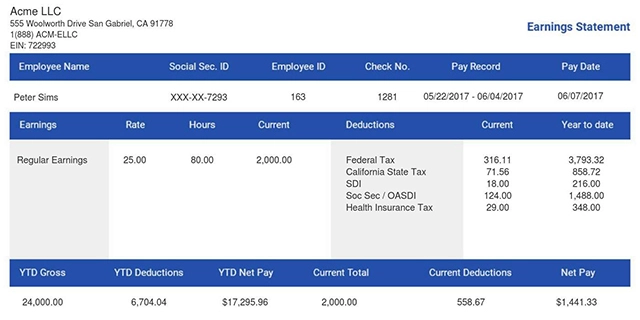
- 1. Enter Your Information

- 2. Select Your Favorite Theme

- 3. Download Your Stub!

 By
By