

What Is VTO? Voluntary vs. Volunteer Time Off Explained (2026)
 By
James Wilson
By
James Wilson So, what is VTO? The term VTO stands for two very different things at work. It can mean voluntary time off, which is unpaid time off during slow business periods. It can also mean volunteer time off, which is paid leave for community service.
This guide breaks down the VTO meaning, "What is VTO at work?", how each type works, and how VTO vs PTO compare under common leave policies.
Key Takeaways
- VTO stands for either voluntary time off (unpaid leave during slow periods) or volunteer time off (paid leave for community service).
- Voluntary VTO is unpaid, but your job, benefits, and PTO hours stay safe.
- Volunteer VTO pays your regular wages while you serve a nonprofit organization.
- More than 47% of large employers offer some form of VTO, per SHRM.
- VTO helps cut labor costs in slow periods and supports work-life balance year-round.
What Is VTO?
VTO is a common HR acronym with two meanings. The first is voluntary time off, an unpaid leave that an employer offers when staffing requirements exceed work demand. The second is volunteer time off. It is paid leave, so you can serve a nonprofit organization. Either VTO meaning may apply at your job, so always check first, "What is VTO under your HR policy?"
So what does VTO mean for you? It depends on your employer. Each company sets its own rules. What's VTO at Amazon, for example, is unpaid voluntary time off during slow shifts in a warehouse. What is VTO at work at Salesforce is paid volunteer time at a 501(c)(3). Both are real and legal. The key is to read your company's VTO policy before you say yes.
What Is Voluntary Time Off?
Voluntary time off is unpaid leave that a company offers when staffing is heavy, but work is light. You agree to take the day off without pay. The hours do not come out of your PTO bank. Your job, health plan, and benefits stay.
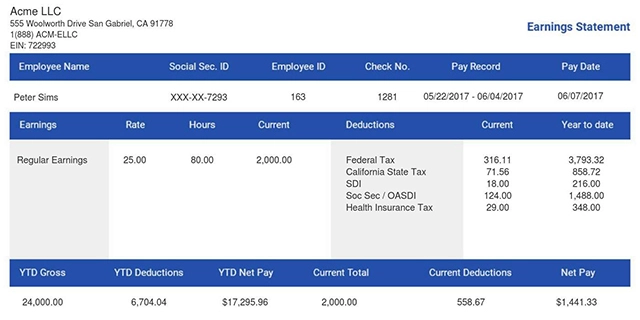
Amazon runs one of the best-known programs of this type. During slow shifts in the warehouse, managers text staff and offer VTO. Workers can accept or pass. There is no penalty if you say no. If you say yes, the hours show up as unpaid on your pay stub. For proof of pay, employment verification and proof of income documents can help.
What Is Volunteer Time Off?

Volunteer time off is paid leave for community service. The employer pays your regular rate while you serve at a nonprofit organization. This benefit ties into corporate social responsibility and employer branding. It also boosts employee morale and employee retention.
Salesforce offers up to 56 hours of paid volunteer hours per year. Deloitte and Google run similar volunteer programs. Johnson & Johnson, Rocket, and AppDynamics also offer paid time for community service. Many now include virtual options for remote staff.
Research from MIT Sloan Management Review found purpose-driven benefits like this lift engagement and employee satisfaction. Data from the Federal Reserve Bank of Boston also links community programs to stronger local hiring.
VTO vs PTO: Key Differences
So how does VTO vs PTO stack up? The chart below sums up the core gaps.
| Factor | VTO (Voluntary) | PTO (Paid Time Off) |
|---|---|---|
| Payment | Unpaid | Paid |
| Who initiates | Employer | Employee |
| Accrual | No | Yes (based on tenure) |
| PTO balance | Not used | Used |
| When offered | During slow periods | For any approved request |
| Purpose | Cut labor costs | Vacation, sick, personal |
VTO vs PTO is a key topic for hourly staff. VTO is not paid time, and it does not reduce your vacation balance. For more on cycles, see our pay period breakdown.
How Does VTO Work?

So, how does VTO work day to day? The flow is simple:
- Your employer spots a slow period with extra staff.
- The manager sends a VTO offer by app, text, or in person.
- You choose to take it or not. There is no penalty for a no.
- If you take it, you leave for the shift with no pay for those hours.
- The unpaid hours show up on your next pay stub. Your gross pay drops, but your PTO balance stays full.
Pay stubs from direct deposit can still be printed for your records. They clearly show paid and unpaid time.
What Is VTO Good For? Benefits of VTO and Drawbacks
The benefits of VTO go both ways. So, what is VTO good for in real terms?
- For employees: VTO can save your job in a downturn. It also keeps your PTO hours free for true vacation. Paid volunteer VTO supports work-life balance and gives you time for causes you care about.
- For employers: VTO trims labor costs in slow periods without layoffs. Paid volunteer programs build company culture, support corporate social responsibility, and lift employee retention. SHRM data shows that strong volunteer programs help with hiring, too.
Before you accept VTO, ask three things:
- Will this drop my hours below the level needed for benefit eligibility?
- Do I need a steady income this pay period?
- Was the offer truly voluntary, or did I feel pushed?
Hourly staff must watch the hour count. Even voluntary time off cuts gross pay and may risk health plan eligibility.
Types of VTO
VTO programs are not one-size-fits-all. Common types include:
- Seasonal VTO: Used in retail after the holiday rush to cut staff hours.
- Intermittent VTO: Short, day-by-day offers when foot traffic or call volume dips.
- Rotational VTO: Shared across the team on a schedule, like every third weekend off. This helps prevent burnout.
- Extended VTO: Longer unpaid breaks, often a few weeks, for personal or business reasons.
- Emergency VTO: Quick cuts in hours due to a storm, outage, or sudden drop in demand.
State pay stub laws may require you to track and show unpaid VTO hours on each pay stub. Your employment status does not change when you take VTO, but the hours must still be logged.
How To Create a VTO Policy
A clear VTO policy is a smart part of any HR policy. So, what is VTO at your firm going to look like on paper? Use this short HR checklist:
- Define the type of VTO: Voluntary (unpaid) or volunteer (paid).
- Set eligibility: Most plans limit VTO to full-time staff based on FTE status.
- Make it truly voluntary: Forced VTO can violate labor laws and hurt employee morale.
- Track hours in payroll: List VTO hours on pay stubs, even when unpaid, to meet state rules.
You Might Also Like
- How to Calculate Your Hourly, Weekly, and Monthly Income
- Jobs That Hold Your First Paycheck
- Walmart Paystub: How to Access Your Pay Information
- How to File Taxes With Your Last Pay Stub
- How to Calculate W-2 Wages From Your Pay Stub
Conclusion
VTO is a strong tool for both sides of the work table. As an employee, knowing "What is VTO?" and how it shows up on your pay stub helps you plan your income. As an employer, a clear VTO policy cuts labor costs and lifts employee morale.
Generate professional pay stubs that list VTO hours and any overtime worked. Pay stubs can also show other types of paid or unpaid leave. Try our online pay stub generator today.
- 1. Enter Your Information

- 2. Select Your Favorite Theme

- 3. Download Your Stub!


 By
By