

Are Bank Statements Proof of Income? Yes - Here's How
 By
James Wilson
By
James Wilson "Are bank statements proof of income?" If you've asked this before a rental application or loan request, you're not alone. Freelancers, gig workers, and contractors often rely on bank account activity instead of traditional pay stubs when verifying their earnings. Most landlords, lenders, and government programs accept them as valid proof of income. But specific requirements around format, timing, and consistency can make or break your submission.
This guide covers when a proof of income bank statement is enough and when reviewers need more. You'll also learn how to prepare yours for any application in 2026.
Key Takeaways
- Bank statements are accepted as proof of income when they show 2–3 months of consistent direct deposits from a verifiable source.
- Self-employed and freelance earners should pair statements with a 1099 form or profit and loss statement for stronger applications.
- Download PDF statements directly from your bank's portal; photos or screenshots are typically rejected.
- For mortgages or high-income rentals, combine bank statements with a W-2 form or tax return.
Are Bank Statements Proof of Income?
Yes, bank statements are accepted as proof of income by most landlords, lenders, and financial institutions. They show your account activity, deposits, and balances over time, confirming your ability to meet your financial commitments. Most reviewers require 2–3 months of statements showing consistent deposits from a verifiable employer or client.
The key word is "consistent." A single large deposit won't satisfy most reviewers, but a pattern of regular income deposits will. Bank statements work well for salaried employees on direct deposit and freelancers or self-employed workers with recurring client payments. Retirees collecting Social Security or pension income and gig workers with regular platform payouts can also use them.
Do bank statements count as proof of income in every situation? Not always. High-stakes applications like mortgages and large business leases usually require additional income documents, because statements show cash flow rather than verified gross income.
Will bank statements work for proof of income when you're self-employed or between jobs? In most cases yes, as long as deposits are consistent and your statements clearly show a recurring income pattern.
Can You Use Bank Statements as Proof of Income?

Yes, you can use bank statements as proof of income for rental applications, personal loans, and government assistance programs. They work best when they show 2–3 months of consistent direct deposits, your name matches the account, and the statement is issued by a recognized financial institution. For mortgages, pair them with a W-2 or Form 1040.
When Bank Statements Are Accepted
Bank statements show your income stability to reviewers and build their confidence in your ability to pay. They're a standard requirement for most rental and loan applications. They satisfy income verification when deposits confirm a consistent, verifiable source of income (typically 2.5x–3x the monthly rent for apartments). Personal loan lenders use them to confirm cash flow. Some mortgage underwriters also accept recent bank statements as part of a broader income package.
When They're Not Enough on Their Own
Lenders and landlords tighten requirements for higher-risk approvals. Applying for a conventional mortgage? Underwriters need to verify gross income through a W-2 form or Form 1040 to check your debt-to-income ratio. Irregular income or large one-time deposits can raise questions, prompting requests for more income documents or a co-signer. For more on this, see proof of income for a mortgage to understand what lenders actually require.
Tips to Strengthen Your Application
- Include all pages of each statement, not just the summary page
- Pair statements with a pay stub or tax return when you have both
- For self-employed income, add a 1099 form and a profit and loss statement to demonstrate consistent earnings
- If your income is irregular, write a brief explanation letter alongside your statements
For freelancers and contractors who need more detailed guidance, our article on how to show proof of income when self-employed covers the most effective strategies.
How to Show Bank Statements for Proof of Income
Log into your bank's online portal or app and download your last 2–3 monthly statements as PDF files. Ensure each statement shows your full name, account number, deposit history, and the issuing bank's letterhead. Submit alongside a pay stub or tax return when applying for apartments, loans, or assistance programs.
Knowing how to show bank statement for proof of income correctly is simple once you know what reviewers expect. Here's what they check:
- Format. PDF downloads from your bank's portal are official. Photos or screenshots are generally rejected.
- Coverage period. Submit your most recent 2–3 months; one month doesn't establish a pattern.
- Name match. Your name on the statement must match your application exactly.
- Account consistency. Deposits should flow from known, recurring sources, not sporadic or unexplained transfers. Understanding how banks verify income for loans can help you prepare.
- Completeness. Include all pages. Partial statements are frequently flagged or rejected outright.
Other Common Proof of Income Documents

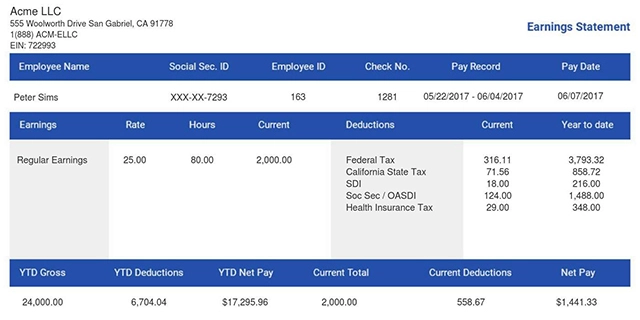
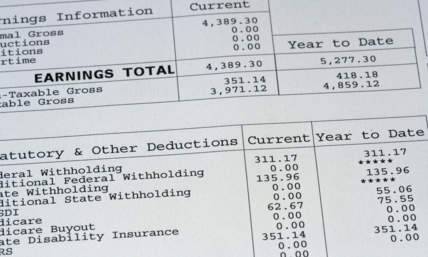
Pay stubs are the most widely recognized proof of income documents. If your employer runs payroll through ADP or Paychex, your stub shows gross income, net income, and year-to-date earnings. That gives reviewers a verified snapshot that statements alone can't fully replicate.
Other income documentation commonly accepted alongside or instead of bank statements:
- W-2 form: Annual wage summary issued by your employer and filed with the IRS; required for most mortgage applications
- Tax return (Form 1040): Covers full-year income; ideal for self-employed and freelance earners
- 1099 form: Confirms contract and gig income from clients or platforms
- Social Security award letter: Accepted for retirees and disability benefit recipients
- Pension statements: Show fixed monthly income for retired applicants
- Employment verification and proof of income documents: Confirms your job status and salary in writing
- Profit and loss statement: Used by self-employed workers and small business owners
For a full breakdown of what's accepted in different situations, see our guide on proof of income documents for loans, rentals, and government programs.
A bank statement proof of income works well for standard rental and loan applications. Self-employed workers should add a 1099 as proof of income or a profit and loss statement to build a stronger case. Some landlords also request an income verification letter directly from your employer. Pay stubs and bank statements together remain the most commonly requested income documents combination.
What Doesn't Count as Proof of Income?
Documents typically rejected as proof of income include: photos of cash, hand-written payment notes, unofficial spreadsheets you created yourself, PayPal or Venmo screenshots without bank corroboration, outdated bank statements older than 3 months, and cryptocurrency wallet snapshots. These are rejected because reviewers cannot verify who issued them or confirm the numbers are accurate.
Are bank statements proof of income in this context? Yes, but the alternatives listed above are not. Cash income earners paid through informal channels often reach for those weaker options when nothing else is available. Instead, deposit cash consistently and build a paper trail in your bank statements. A pattern of regular cash deposits can serve as supporting evidence alongside a brief written explanation. For more detailed strategies, read our guide on proof of income if you're paid in cash.
You Might Also Like
- Pay Stubs for Loan Applications
- What Is Gross Monthly Income
- W-2 vs 1099: How to File Taxes When You Have Both
- How to Calculate W-2 Wages From a Pay Stub
- 1099 Pay Stub: Should Independent Contractors Receive a Pay Stub
Conclusion
So, are bank statements proof of income? Yes, when they're consistent, current, and properly formatted. For the strongest application, pair them with a pay stub, W-2 form, or employment verification letter whenever possible.
Need professional pay documentation? Use a reliable paystub generator to create verified pay stubs in minutes.
- 1. Enter Your Information

- 2. Select Your Favorite Theme

- 3. Download Your Stub!

 By
By