

How to Manage Overtime More Effectively: 7 Strategies (2026)
 By
By
Overtime rarely shows up because one week got busy. It shows up because something upstream is broken, and payroll is just where you finally notice it. Learning how to manage overtime more effectively starts with admitting the hours are a symptom, not the disease.
Four causes drive almost every spike: understaffing, absenteeism, uneven shift distribution, and weak forecasting. Clean hour records tell them apart, and our pay stub maker keeps regular and overtime hours separate. Fix the wrong cause and you'll cut hours for a month, then watch them come back.
This guide covers the federal rules you have to clear first. Then seven strategies that hold up, how to track hours without drowning in timesheets, and how to write a policy people follow. It closes with what software is worth paying for and what changes in healthcare, restaurants, and home care.
Key Takeaways
- Overtime is a symptom of understaffing, absences, uneven shifts, or weak forecasting. Find the cause first.
- The FLSA does not permit averaging hours across two or more workweeks.
- The standard exempt salary threshold is $684 per week, or $35,568 per year.
- Federal rules require payroll records for three years and timecards for two.
- What It Really Means to Manage Overtime More Effectively
- Overtime Rules You Have to Get Right First
- How to Manage Overtime More Effectively: 7 Strategies
- How to Track Overtime Without Chasing Timesheets
- How to Write an Overtime Policy That Holds Up
- Overtime Management Software: What Actually Helps
- How to Manage Overtime More Effectively by Industry
- Conclusion: Manage Overtime More Effectively Starting This Week
What It Really Means to Manage Overtime More Effectively
Cutting hours isn't the same as learning to manage overtime more effectively. Anyone can slash hours by refusing sign-off. You'll just trade the premium for missed coverage, quality problems, and a notice letter.
Every hour past 40 costs time and a half, but that premium is the smallest part of the bill. Overtime inflates labor costs three ways: the premium, the productivity drop as fatigue builds, and turnover. Turnover costs most, because the people handed extra shifts are often your best. Our guide on how much overtime is too much sets out the warning signs.
Before you touch the schedule, find out which cause you have. Pull last quarter's overtime by employee, department, and day of week. Clustered on the same two names? That's distribution. Clustered on Mondays? Forecasting. Spikes when someone calls out? Coverage depth. Flat across everyone? You're understaffed, and no scheduling trick fixes that. Each pattern points at a different lever. Pulling the wrong one is why most overtime reduction plans fail by month three.
Overtime Rules You Have to Get Right First

Get the compliance floor right before any tactic, because some popular advice is illegal. You can't manage overtime more effectively while breaking wage law.
Under the Fair Labor Standards Act, non-exempt employees earn overtime for hours worked over 40 in a workweek. The rate is at least time and one-half their regular rate. A workweek is a fixed, regularly recurring period of 168 hours: seven consecutive 24-hour periods. It doesn't have to match the calendar week, which is why overtime is calculated weekly, not biweekly, even on a two-week pay cycle.
Here's the part people get wrong. You cannot average hours across two or more weeks. A 50-hour week followed by a 30-hour week isn't two 40-hour weeks. It's 10 hours of overtime plus a short week. Treating it otherwise is a violation, no matter how the pay period is set up.
There's also no federal cap on hours for employees aged 16 and older. Nothing is owed just for Saturday, Sunday, or holiday work. Some state labor laws are stricter than this federal floor, and state rates can sit above the federal minimum wage, so check yours.
For salaried staff, exemption isn't about job title. The standard salary level is $684 per week, equal to $35,568 a year, and highly compensated employees sit at $107,432. Below the threshold, the person is non-exempt and earns overtime whatever their offer letter says.
How to Manage Overtime More Effectively: 7 Strategies
The order matters. Teams that manage overtime more effectively work in this sequence. The first three remove the need for extra hours. The last four control what's left. Sequencing overtime management strategies badly is how teams end up with a policy nobody follows.
Forecast Demand Before You Build the Schedule
Pull the same period last year, adjust for what you know, and staff to that. Most chronic overtime comes from a schedule built on last week's gut feel, not the pattern sitting in your own data.
Fill Open Shifts Before They Become Overtime
An open shift discovered at 6am gets filled by whoever's already near 40 hours. The same shift discovered on Thursday gets filled by someone at 22. Speed of notice, not how much you pay, decides what a callout costs.
Cross-Train So Coverage Isn't One Deep
Say one person can close, run the register, or count the drug safe. Their absence is instant overtime. Map every task only one person can do and train a second. It takes the most pressure off shift coverage. The same few people stop having to work overtime whenever someone calls out.
Set a Labor Budget and an Approval Threshold
Give each supervisor a weekly hour budget and a sign-off threshold. Overtime control works when the person approving hours owns the budget they come from.
How to Manage Overtime Fairly
Rotate extra hours through a written list instead of calling the same trusted people. Two things happen: burnout stops piling onto your best staff, and you get a record of who was offered what. That log settles favoritism complaints and wage disputes early.
Cap Hours and Require Pre-Approval
Set a hard ceiling per person per week. Pre-approval matters more than the cap, because it moves the decision to before the hours are worked. Figuring out how to control overtime after payroll runs is just reporting.
Fix the Understaffing You Keep Scheduling Around
If the same role runs hot every week, that isn't an overtime problem. It's an open role to fill. Compare the yearly premium on those hours against one more salary, measured in full-time equivalent headcount. The math often favors hiring, and it's the one fix that doesn't decay.
Once hours are under control, the paperwork still has to be right. If your system doesn't show regular and overtime hours clearly, our pay stub templates lay out both.
How to Track Overtime Without Chasing Timesheets

You can't manage overtime more effectively against numbers that arrive two weeks late. Track at the shift level, not the pay-period level. That way you see which shift created the overage while you can still act on it. Good time tracking ties attendance to the schedule, so work hours show up as they build.
Federal rules name exactly what to capture:
- The time and day of week each employee's workweek begins.
- Hours worked each day.
- Total hours worked each workweek.
- Total overtime earnings for that workweek.
- Any additions to or deductions from wages.
No set format is required.
That matters if you're weighing how to track overtime pay in excel against buying something. A spreadsheet is fully compliant. It just doesn't warn you; it reports after the money's spent.
The dividing line is headcount and how complex your shifts are. One location and a stable schedule, and a spreadsheet is fine. Add multiple sites or rotating shifts, and knowing how to track overtime in shift schedule software stops being optional. Manual matching across locations is where the errors live.
Whichever route you take, work out how to track overtime payments and hours in the same system. Approved hours and paid hours then reconcile without a second spreadsheet. Keep payroll records three years and the timecards behind them two. To check a week before it reaches payroll, run it through an overtime calculator.
How to Write an Overtime Policy That Holds Up
Written rules are how you manage overtime more effectively when you're not in the room. They decide whether your strategies survive a busy week.
What Every Overtime Policy and Procedure Needs
Six clauses do the work:
- Who can authorize extra hours.
- How far in advance they must be requested.
- How they're distributed when demand exceeds volunteers.
- What happens with unauthorized time.
- How the workweek is defined.
- Who owns the final call.
On unauthorized hours, be careful. You must pay for time actually worked even if nobody approved it. Discipline the process violation, never the paycheck.
A mandatory overtime policy needs one thing more: the conditions that trigger it and the notice employees get. Vague clauses here are where morale goes to die.
Skip the generic sample overtime policy you found online. A warehouse template won't survive a 24-hour care facility. Your overtime management policy should name the roles, thresholds, and approvers you really use.
Overtime Policy for Salaried Employees
Written rules only bind the salaried staff who are truly exempt. Check the salary level against the $684 weekly threshold and confirm the duties test. Then state plainly which roles are exempt. Most of these claims start with a boss who assumed "salaried" meant "no overtime."
Overtime Management Software: What Actually Helps
Buy tooling to enforce decisions you've already made. An overtime management system is one slice of this. Payroll management tools cover the pay run itself. Overtime management software layered on an unfixed staffing problem buys the same hours plus a subscription. It helps you manage overtime more effectively only once the root cause is known.
A good system does four things:
- Flags an employee approaching 40 hours before the shift is assigned.
- Shows projected labor cost while the schedule is being built.
- Routes approvals to the budget owner.
- Pushes open shifts to qualified staff on its own.
That last one separates the staff scheduling tools that reduce overtime from the ones that just report on it. Employee scheduling software earns its keep when a shift is assigned. A tool that only emails a weekly summary won't change the decision at the moment it's made.
How to Manage Overtime More Effectively by Industry
Generic advice breaks down fast; the constraint differs by sector. Below are five that behave differently.
How to Reduce Overtime in Healthcare
Minimum staffing ratios mean you can't simply decline coverage. Hospitals and residential care facilities can use the 8 and 80 system under FLSA section 7(j). It pays overtime for hours over 8 in a day and 80 across a fixed 14-day period. It works only with a prior agreement with affected employees. Watch the regular rate: shift differentials belong in it.
Ways to Reduce Overtime Costs in Restaurants
Overtime concentrates in prep and close, not the rush. Stagger start times against real ticket volume and give closers a set cutoff. A float server cleared for two stations beats calling someone already at 38 hours.
Home Care, Delivery, and Security
Travel time between clients counts as paid work and pushes caregivers past 40. Build routes by area, not preference. Agencies that manage overtime more effectively map drive time as scheduled work. If you're working out how to reduce delivery drivers' overtime, the lever is route density and dispatch cutoffs rather than driver speed. Security firms should track hours by post, not by employee, which exposes the underbid contracts funding the overtime.
You Might Also Like
- Does PTO Count Towards Overtime?.
- Nevada Overtime Laws Explained.
- What Straight Time Pay Means on a Pay Stub.
- Payroll for Restaurants.
- State Pay Stub Laws by State.
Conclusion: Manage Overtime More Effectively Starting This Week
Diagnose before you prescribe. To manage overtime more effectively, pull your hours by employee, department, and day. Decide which of the four causes you're looking at, then apply the matching strategy. Get the workweek and regular rate right first; no amount of clever scheduling survives a wage claim.
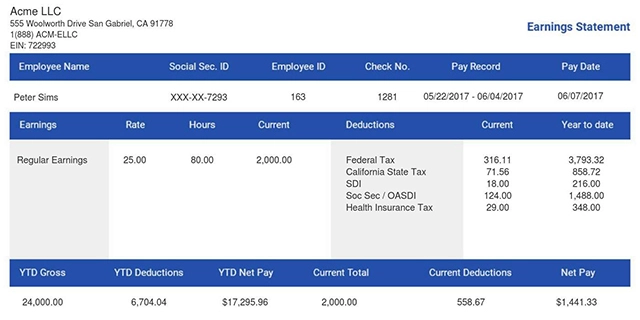
Accurate records are what make all of it hold up. Need clean records of regular and overtime hours for your team? Our paystub generator produces professional pay stubs with the calculations already done.
- 1. Enter Your Information

- 2. Select Your Favorite Theme

- 3. Download Your Stub!

 By
By